Ray-Ban Meta Gen 2 Review: All-Day Smart Glasses Still Face Key Questions

▼ Summary
– The second-generation Ray-Ban Meta smart glasses feature significantly improved battery life, lasting up to eight hours on a single charge with an additional 48 hours from the case.
– The camera has been upgraded to capture 3K video at 30fps, though the improvement in video quality is minimal and footage can still appear shaky.
– Aside from battery and camera enhancements, the hardware remains largely similar to the first-generation model, with some software features like slo-mo video not yet available.
– The glasses retail for $379, an $80 increase from the first generation, making them a solid but non-essential upgrade for existing owners.
– The author feels uncomfortable wearing the glasses due to the discreet nature of the camera, which raises privacy concerns despite their popularity and utility for some users.
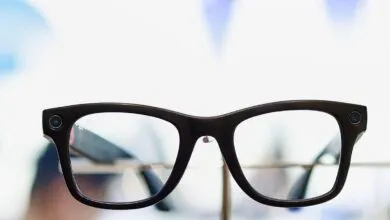
The second-generation Ray-Ban Meta smart glasses deliver a significant leap in battery performance, making them far more practical for extended daily use. While they retain the familiar design of their predecessors, the promise of eight hours of continuous operation transforms them into a reliable companion for capturing moments hands-free or enjoying private audio throughout your day. This enhanced endurance addresses one of the biggest limitations of the original model, positioning the new version as a viable all-day wearable.
During testing, the battery life proved impressive. Starting a day fully charged around 9 AM, the glasses comfortably lasted through meetings, navigation, photo-taking, and audio playback, still holding 9 percent power twelve hours later. Even during more intensive use, like recording video at the zoo or streaming podcasts during errands, the battery held up remarkably well. Unless you’re constantly recording or on calls, a single charge should easily carry you from morning to night. The included charging case provides an extra 48 hours of reserve power and can replenish the glasses to 50 percent in just 20 minutes.
On the imaging front, the Gen 2 glasses now capture video at 3K resolution, a step up from the previous generation. While the sensor remains 12 megapixels, the bump in sharpness is noticeable, though not transformative. Footage can still feel slightly unsteady since the camera moves with your head, which might be disorienting for some viewers. Beyond this upgrade and the extended battery, the hardware changes are minimal. The design, controls, and core functionality closely mirror the first-generation Ray-Ban Meta glasses and the sport-focused Oakley Meta HSTN model.
Several anticipated software enhancements, such as slow-motion and hyperlapse recording, along with a “conversation focus” mode that amplifies the voice of the person you’re speaking with, are not yet available. These features are expected to arrive via updates and will also come to earlier models. Pricing for the Gen 2 starts at $379, an $80 increase over the first generation.
For current owners, upgrading may not feel essential unless battery life has been a persistent pain point. The real consideration for new buyers, however, isn’t just about specs or price, it’s about comfort. Wearing glasses with a built-in camera can feel intrusive, even unsettling. In settings like tech conferences where such devices are common, they blend in. Out in the real world, discreetly tapping the temple to snap a photo can feel more covert than pulling out a phone, raising questions about social etiquette and privacy.
This discomfort may not be universal. Meta reports strong sales, with millions of units already in use. Early adopters and certain communities, including people with disabilities, have found genuine value in smart glasses for accessibility and convenience. Still, the psychological barrier remains for some. Despite the better battery and sharper video, the idea of wearing a camera on your face throughout the day may give pause.
Before using the Ray-Ban Meta smart glasses, you’ll need to accept a series of terms and policies. Setting up a Meta account and downloading the companion app requires agreeing to the company’s Terms of Service and Privacy Policy. Optional early access programs for AI features come with additional agreements, as do integrations with services like WhatsApp, Instagram, and Spotify. You’ll also grant permissions for Bluetooth, Wi-Fi, location, voice data, and usage information. If you order prescription lenses, your vision data may be shared with partner optometrists. Supplemental documents include the Meta Platforms Technologies Terms of Service, Privacy Policy, AI Glasses Early Access Program Terms, Regional Privacy Notice, Health and Safety Information, and Voice Controls Privacy Notice. In total, users must consent to two mandatory agreements and six supplemental policies.
(Source: The Verge)