Saros proves the DualSense is still a powerhouse
▼ Summary
– The DualSense controller’s haptic feedback was a key selling point for the PS5, offering immersive experiences like sand crunching in Astro’s Playroom, but few games have utilized it effectively since launch.
– Housemarque’s new game, Saros, is the first title in a while to make the DualSense feel important, with haptics as a critical part of gameplay rather than an added bonus.
– In Saros, haptics provide tactical feedback during combat, such as pitch changes indicating low ammo, short taps for a handcannon, and rumbles for a fading shield.
– Outside combat, haptics enhance immersion through pulses while running, rattling when using a grappling beam, and foreboding rumbles near world-changing events.
– The haptics improve the gameplay experience by offering tactile indicators that are easier to rely on than visual cues in busy firefights, showcasing untapped potential for the controller.
Five years after the PlayStation 5’s launch, the DualSense controller remains one of the console’s most innovative features. Its adaptive triggers and refined haptic feedback were a genuine leap forward from the rumble packs of previous generations. The sensation of sand shifting under Astro’s feet in Astro’s Playroom or the distinct energy pulses from weapons in Returnal felt like a true next-gen experience. Yet, for much of the PS5’s lifecycle, that initial magic has been hard to find. Few titles have truly leveraged the controller’s capabilities in a meaningful way.
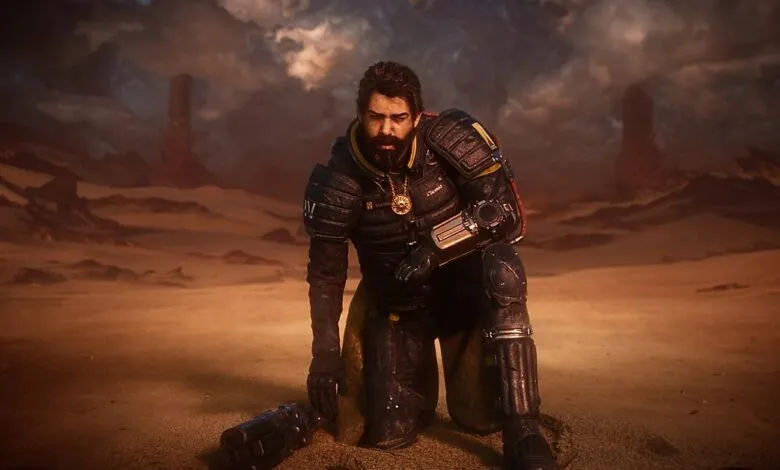
That changes this week with the release of Housemarque’s latest title, Saros. It is arguably the first game in years to make the DualSense feel essential again, not just a nice accessory.
In most games, haptic feedback and rumble are an afterthought. They might punctuate an explosion or add weight to a gunshot, but turning them off rarely diminishes the experience. Saros is different. Here, the DualSense’s haptics are woven directly into the gameplay loop, becoming a critical tool for survival.
Consider the combat feedback. When firing a rifle, the pitch of the haptics rises as a tactile warning that ammunition is running low. The handcannon, which fires three bullets at a time, delivers three distinct, short taps with each shot. A charged crossbow shot alerts you with a precise, fine-point vibration, signaling it’s ready to fire. Even your shield, when held too long, begins to rumble in sync with its onscreen undulation, warning you it’s about to fail.
Beyond combat, the haptics deepen immersion. As protagonist Arjun runs through the world of Carcosa, short pulses follow his footsteps. Using the grappling beam to swing across chasms, the controller vibrates more intensely as you near the grapple point. Approaching the grotesque cluster of hands that triggers a world-altering eclipse, the DualSense rumbles with a foreboding weight.
Even character interactions are enhanced. In one late-game area, a character’s humming was accompanied by a subtle, matching vibration from the controller. Conversations with Primary, the corporate robot at Arjun’s base, are more engaging because the DualSense rumbles in perfect sync with its ominous voice. These details add a rich, tactile layer to the storytelling.
But the haptics aren’t just a cool gimmick. They genuinely improve gameplay. During chaotic firefights, when dodging waves of bullets and hordes of enemies, it is often faster and easier to rely on the controller’s tactile cues than to scan a cluttered screen for visual indicators.
More than five years into the PS5’s life, only a handful of developers have truly mastered the DualSense’s potential. What was once a flagship feature has faded into the background for most titles. Saros proves that the controller still has plenty of untapped power. Hopefully, it will spark a renewed interest in making the DualSense a central part of the gaming experience once again.
(Source: The Verge)