The Sports Streaming Chaos: A Fragmented Nightmare
▼ Summary
– Former NFL star JJ Watt expressed frustration about missing Monday Night Football due to a carriage dispute between Disney and YouTube TV, highlighting the complexities of modern sports streaming.
– The 2024-25 NFL season marks the first time every game is available on streaming services, reflecting a major shift from traditional pay TV exclusivity.
– Free ad-supported streaming TV (FAST) channels are expanding their live sports offerings, with 38.1% of sports channel programming being live by October 2025.
– Streaming services are increasingly using free or included sports content as promotional tools to attract and retain subscribers, rather than pursuing comprehensive rights packages.
– While broader streaming access has increased the U.S. sports fan base from 168 million to 195 million since 2022, 46% of consumers find it harder to locate content due to extreme fragmentation across platforms.
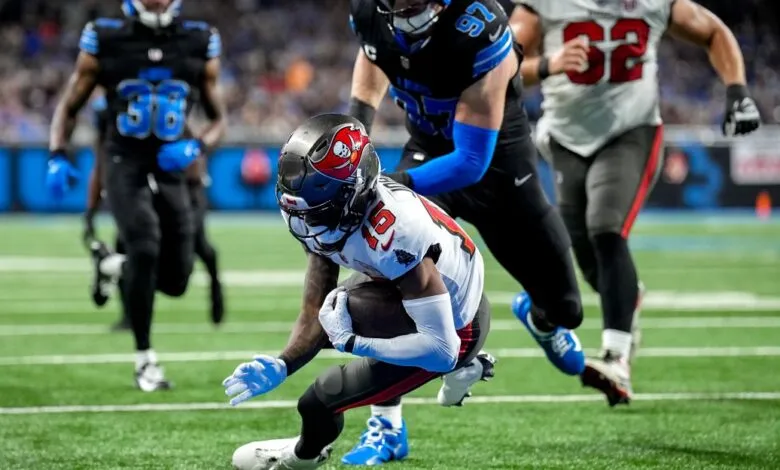
The current state of sports streaming presents a paradox for viewers, offering unprecedented access while creating a labyrinth of options that can frustrate even the most dedicated fans. Former NFL star JJ Watt recently voiced his exasperation on social media, declaring he was ready to give up on watching Monday Night Football due to a carriage dispute between Disney and YouTube TV. This conflict left roughly 10 million subscribers without access to ESPN and other Disney channels, preventing them from tuning into the game. While some fans scrambled to sign up for trials with competing services like Hulu Live or Fubo, Watt refused, stating flatly, “I’m not paying for another streaming subscription.”
His frustration highlights a broader trend in sports television. On one hand, there are more ways than ever to watch games online, including a growing number of free streams and content included with existing video subscriptions. On the other hand, the landscape has become intensely fragmented. Casual viewers may find it easier than ever to catch a game, but for hardcore fans determined to watch every match involving their favorite team, the process has become bewilderingly complex.
Sports programming was once considered the last bastion of traditional pay TV, the key ingredient that kept customers tied to cable or satellite packages. It was also seen as a potential bridge to online pay TV bundles like YouTube TV, Sling, and Fubo. However, the emergence of deep-pocketed streaming giants changed the game entirely. Leagues found the financial offers impossible to refuse. Amazon secured the rights to Thursday Night Football, Netflix formed a partnership with WWE, and Apple teamed up with Major League Soccer.
Beyond these landmark agreements, streamers have also invested heavily in high-profile individual events. YouTube streamed its first NFL game without a paywall in September. Netflix is set to broadcast two NFL games over the Christmas holiday, and NBC’s Peacock will stream another on December 27th. This shift isn’t limited to one-off events. An analysis by Activate Consulting for its annual Media & Technology Outlook reveals that for the 2024–25 season, nearly half of all NFL games were exclusive to pay TV services. This season marks a turning point, with every single NFL game of the season also being available on a streaming service.
The volume of sports content available for free is also expanding, starting to resemble the basic cable packages of old. A recent Gracenote report identified 227 free, ad-supported linear sports streaming channels, known in the industry as FAST channels, available to viewers globally. While some of these channels only show older matches or sports documentaries, live sports are increasingly part of the mix. Tyler Bell, SVP of Product at Gracenote, notes that “in August 2025, 36 percent of the programming on sports channels was live sports,” a figure that climbed to 38.1 percent by October.
Companies are rapidly embracing this free model. The FanDuel Sports Network announced it will bring select NBA and NHL games to FAST channels this fall, with plans to launch its own dedicated 24/7 channel next year. This move is largely promotional; formerly known as Bally Sports, the network aims to use free games to attract subscribers to its own paid streaming service.
Using live sports as a loss leader, either free or feeling free because they are included with subscriptions like Netflix or Amazon Prime, is a growing strategy to attract and retain consumers. However, this approach doesn’t necessarily simplify life for fans. Some streaming executives are candid about their focus. Netflix co-CEO Ted Sarandos stated on a recent earnings call, “We’re focused on big live events. We’re not currently focused on the big season packages.”
As sports content appears on more platforms, from Netflix and Apple TV+ to various FAST channels, the audience for sports is actually growing. According to Activate Consulting, the number of sports fans in the US increased from 168 million in 2022 to 195 million in 2025. Michael Wolf, founder and CEO of Activate, directly attributes this growth to the wider availability of sports on streaming services, stating that “broader access to and availability of sports programming are among the primary drivers behind the growth of sports fandom in the United States.”
The downside to this proliferation across countless services is the increasing difficulty for fans to piece together where to watch. A Gracenote report found that 46 percent of consumers believe it’s getting harder to find what they want to watch. While the report didn’t single out sports, locating specific games can be a particular challenge. Tyler Bell explains, “Sports suffers from extreme fragmentation due to the complex integration of user entitlements, broadcast rights, and local market availability.” Gracenote, which sells program guide data, notes that 68 percent of consumers would prefer a single, unified guide to find all their programming.
Yet, even the most sophisticated guide may not resolve all the confusion in an industry undergoing such rapid transformation. JJ Watt’s experience is a perfect example. He and many others discovered that their ESPN Plus subscription, often part of a bundle with Hulu and Disney, does not grant access to all Monday Night Football games. For that, they would need to subscribe to Disney’s new ESPN Unlimited service. Watt expressed his bewilderment on social media, posting, “The crazy part is, I have some sort of subscription because I watch Espanyol matches on ESPN+. But I can’t watch MNF. I don’t understand it and quite frankly just don’t really care to figure it out.”
(Source: The Verge)