Lucid bankruptcy rumors signal trouble for EV industry

▼ Summary
– Lucid Motors denied bankruptcy rumors from EV trade publication EV, citing sufficient free cash flow to operate into next year, but the denial did not prevent a stock price plunge of up to 50%.
– The panic spread to other EV-only companies like Rivian and Polestar, as investors worried about their survival amid slowing demand and policy shifts.
– Lucid confirmed hiring AlixPartners for operational advice but denied the firm recommended Chapter 11 or a take-private deal, and filed a cease and desist order against EV for the report.
– Lucid faces financial struggles, including over $1 billion in first-quarter losses, two rounds of layoffs in 2026, reduced production, and leadership changes with the COO position eliminated.
– All three EV companies rely heavily on major stakeholders like Saudi Arabia’s Public Investment Fund for Lucid, with their futures uncertain if backers withdraw support.
Lucid Motors spent this week fighting off bankruptcy rumors and watching its stock price crater, a stark reminder of how fragile the electric vehicle industry has become. The company wasted no time in denying the report, calling it “completely false” and pointing to its available free cash flow as proof that operations can continue into next year.
Still, the swift rebuttal did little to contain the fallout. Panic spread quickly to other EV startups, dragging down shares of Rivian and Polestar as investors questioned whether any pure-play electric vehicle maker can survive the current climate of slowing consumer demand and erratic policy changes. The episode illuminated just how precarious the positions of these three companies really are.
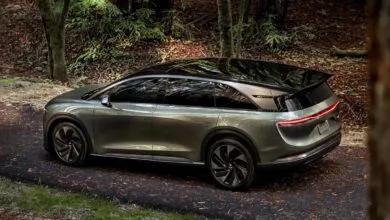
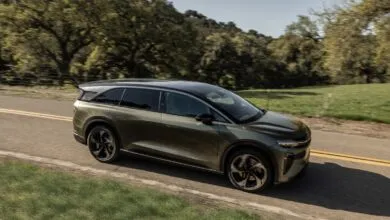
The turmoil began Tuesday, when the trade publication EV reported that restructuring firm AlixPartners had advised Lucid’s board to explore Chapter 11 bankruptcy or a take-private deal. The outlet also claimed AlixPartners urged the board to continue restructuring in the US and Europe while focusing resources on the Gravity SUV. Lucid acknowledged hiring AlixPartners but flatly denied the firm made any such recommendations. According to Lucid’s chief communications officer Nick Twork, AlixPartners was brought in to advise on “improving execution, strengthening operations and positioning Lucid to realize the full potential of its technology, products and innovation.”
Lucid escalated the matter by filing a cease and desist order against EV, arguing the report directly caused the stock crash. “In short, your actions caused serious injury to a number of investors,” wrote Brian Tomkiel, Lucid’s chief legal officer and general counsel. “And they injured, and continue to injure, Lucid directly.”
The timing could hardly have been worse. Lucid has been struggling in plain sight, losing more than $1 billion in the first quarter of the year. The company has conducted two rounds of layoffs in 2026, cutting 12 percent of staff in February and another 18 percent in June. Production at its Arizona factory has been scaled back to manage high inventory and conserve cash. Leadership has also been in flux, with COO Marc Winterhoff leaving and his role eliminated entirely as part of a broader effort to flatten the organization.
The report sent Lucid’s stock into freefall, dropping as much as 50 percent in one of the worst single-day declines in company history. Rivian and Polestar were dragged down with it, reinforcing the gloomy outlook for EV-only automakers that aren’t named Tesla. Wall Street is spooked because the rumors align with the grim reality coming out of these companies’ earnings reports. EV sales are stabilizing, but a real recovery still feels like a distant hope. The all-electric future appears further off than it did just a year ago.
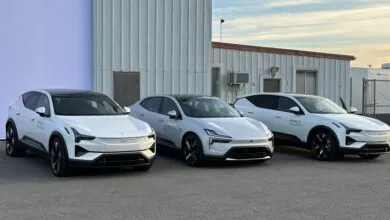
Whether or not Lucid is genuinely considering Chapter 11, the episode signals more turbulence ahead. Polestar is being pushed out of the US market due to its Chinese connections, leaving dealers and owners uncertain. Rivian is taking a massive gamble on becoming a mass-market player with the R2, a bet that grows riskier by the day.
All three companies now depend heavily on deep-pocketed backers for survival. Lucid leans on Saudi Arabia’s Public Investment Fund, Polestar on Geely, and Rivian on Volkswagen. If any of those major stakeholders lose confidence, the picture could turn very dark, very quickly.
(Source: The Verge)