Why a Used iPhone Is a Smarter Buy Than Ever

▼ Summary
– Buying a used iPhone is more environmentally friendly and cost-effective, and recent developments make it even more appealing.
– Apple CEO Tim Cook stated that price increases for products are unavoidable due to a memory component shortage.
– Upcoming iOS 27 improvements will help older iPhones like the iPhone 11 last longer by optimizing software resources.
– Maintaining an older iPhone is cheaper, as battery replacements for older models cost less than for newer ones.
– Price hikes will likely affect newer, premium Apple devices, making used or older models a better financial option.
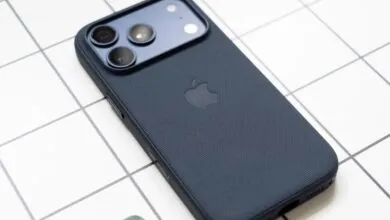
There were already plenty of compelling reasons to consider a used iPhone over a brand-new model. It’s better for the environment and easier on your wallet , two things that rarely go hand in hand anymore. But a handful of recent developments have made buying a pre-owned iPhone an even more attractive proposition.
Starting this fall, older iPhones will receive extended software support. At the same time, some Apple products are poised to get more expensive. While buying used , or simply holding onto your current device for another year or two , means you might miss out on certain cutting-edge features, for many consumers it’s now the most logical choice.
“Buying used has never made more sense,” says Kyle Wiens, CEO of the repair advocacy group iFixit. “The phones from the last few years are really good.”
Apple’s pricing strategy is shifting. If it seems like everything costs more lately, that’s because it does. Even a tech giant like Apple is feeling the pressure. In a recent interview with The Wall Street Journal, outgoing CEO Tim Cook acknowledged that price increases for Apple products would soon be “unavoidable.” He didn’t specify which items would be affected or when the hikes would hit.
Cook and other tech leaders point to the ongoing memory shortage as the main culprit. A supply-chain-wide scarcity of critical storage and memory components , driven by massive demand for AI data centers , is hampering production for everyone from gamers to Apple itself. Apple declined to comment on the matter.
This economic instability follows a year of volatile markets, triggered by the Trump administration’s tariff policies and ongoing tensions with Iran. Simply put, getting the components to build a new iPhone is becoming harder and more expensive. Apple and every other company will inevitably pass those costs to consumers.
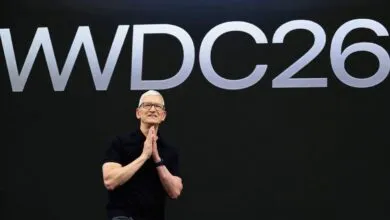
Apple has been preparing for this shift. At its WWDC keynote in early June, the company detailed upcoming changes to iOS 27 designed to help iPhones last longer. A refined CPU scheduler , which manages software resources , will apparently keep even the iPhone 11 running smoothly. That means buying a used iPhone today comes with greater confidence that it won’t be abandoned by future firmware updates.
Maintaining an older iPhone is also frequently cheaper than repairing a newer one. Battery replacements for older models cost less: Apple charges $119 to swap the battery in a new iPhone 17, while an iPhone 13 battery replacement is $30 cheaper.
“You can save a lot of money buying a year-old phone and putting a new battery in it every six months,” Wiens adds.
Apple has likely held off on raising prices for as long as possible, says Jitesh Ubrani, a research manager at IDC. He notes that the company has mostly absorbed extra costs so far. It even launched the MacBook Neo , its cheapest MacBook ever at $599 , in March, well after the memory shortage had begun.
“The company has also built up meaningful goodwill in recent months,” Ubrani wrote in an email to WIRED. “I do not see Apple squandering that by raising prices broadly.”
Price increases will most likely target Apple’s newer, more expensive devices. The place to watch for hikes is upcoming hardware announcements, particularly the Pro models. Apple is expected to unveil a new iPhone later this year, possibly alongside a refreshed MacBook and eventually a folding phone. These premium devices will be more costly to produce and may carry higher price tags as a result.
If you’re willing to sacrifice a bit of camera quality or skip the latest on-device AI features, buying used might be the smarter move for now. (Just remember what to look for when purchasing a used smartphone or refurbished electronics.)
(Source: Wired)