7 iPhone Models Have Unfixable Security Flaw – Check Yours
▼ Summary
– Security firm Paradigm Shift discovered an unfixable hardware vulnerability, named usbliter8, in older Apple devices that allows hackers to bypass security before iOS loads.
– The flaw affects iPhones with A12/A13 chips (iPhone XR through iPhone 11 series) and devices with S4/S5 chips, including specific iPad and Apple Watch models.
– Hackers require physical access to exploit the bug, making stolen or confiscated devices particularly vulnerable to unauthorized software or data extraction.
– Since the glitch is in hardware design, Apple cannot fix it with a software update.
– Paradigm Shift advises migrating to newer hardware as the only effective mitigation.
Cybersecurity researchers have uncovered a serious vulnerability in older Apple devices that cannot be fixed through software updates. The flaw, which affects several iPhone models and other Apple products, leaves users with just one practical solution: buy a new device.
The security firm Paradigm Shift discovered the issue, which they named usbliter8. This vulnerability resides in the USB controller and firmware, allowing attackers to override a device’s startup process and jailbreak it before iOS even loads. Once compromised, hackers can run unauthorized software or extract sensitive information from the device.
“Vulnerabilities at this level can compromise the integrity of the entire device,” Paradigm Shift wrote in a blog post. The company alerted Apple Product Security before making their findings public.
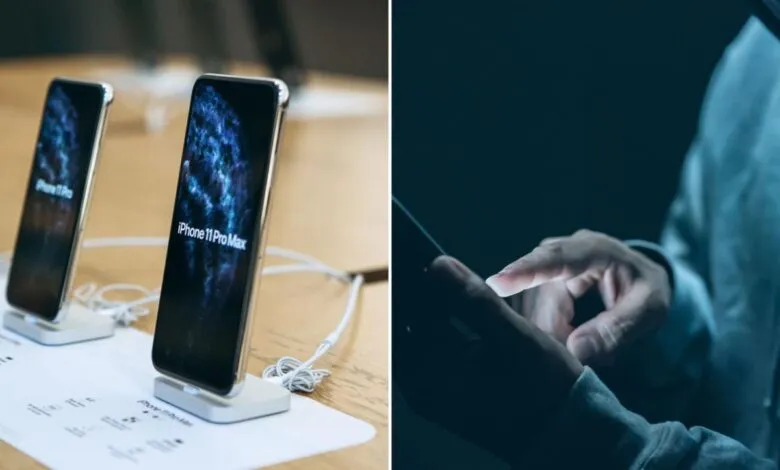
The flaw specifically targets iPhones equipped with A12 and A13 chips. Affected models include the iPhone 11, iPhone 11 Pro, iPhone 11 Pro Max, second-generation iPhone SE, iPhone XR, iPhone XS, and iPhone XS Max. Apple Watches and iPads with S4 and S5 chips are also at risk. That list covers the eighth and ninth-generation iPad, third-generation iPad Air, fifth-generation iPad Mini, first and second-generation 11-inch iPad Pro, third and fourth-generation 12.9-inch iPad Pro, first-generation Apple Watch SE, and Apple Watch Series 4 and 5.
There is one important caveat: hackers cannot exploit this flaw remotely. They need physical access to the device. However, stolen or confiscated gadgets remain vulnerable to this digital Trojan Horse.
The real problem is that this is a hardware design flaw, not a software bug. Apple cannot fix it with a system update. “Migrating to newer hardware remains the most effective mitigation,” Paradigm Shift advises. In plain terms, the only reliable solution is to purchase a newer iPhone or Apple device.
(Source: New York Post)