US, China, and Russia compete for dominance in GEO
▼ Summary
– The US military has operated a fleet of inspector satellites for over a decade to monitor other spacecraft in geosynchronous orbit, and China began launching similar satellites in 2018.
– Russia has recently joined the US and China by deploying its own suspected inspector or attack satellite into geosynchronous orbit.
– The US Space Force is preparing to order more reconnaissance satellites to send into the geosynchronous belt.
– Geosynchronous orbit (GEO) is located about 22,000 miles above the equator, where satellites hover over the same location due to matching Earth’s rotation.
– Commercial and military satellites in GEO typically remain in fixed slots for years to provide communications services.
The competition among the world’s top spacefaring nations has intensified in a unique orbital neighborhood: the geosynchronous belt, 22,000 miles above the equator. For over a decade, the U.S. military has quietly operated a fleet of inspector satellites capable of drifting close to other spacecraft in geosynchronous orbit (GEO) to capture imagery and gather intelligence. China joined this exclusive club in 2018, launching its own satellites for similar reconnaissance missions.
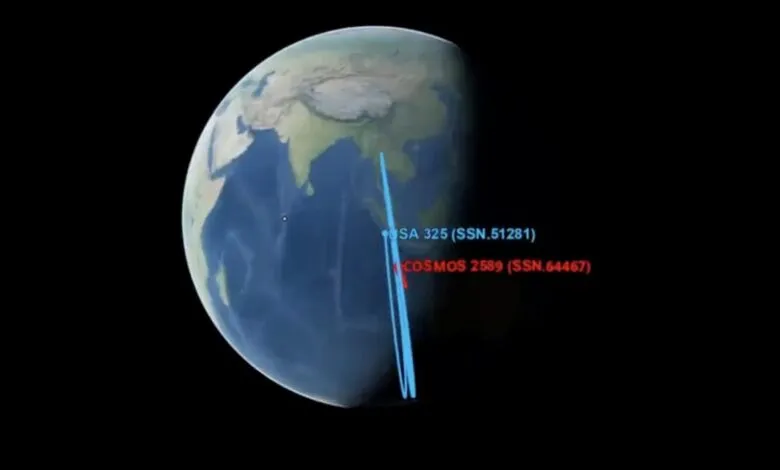
Now, a third player has entered the arena. Russia recently deployed a suspected inspector or attack satellite into GEO, marking a significant escalation in orbital surveillance activities. At the same time, the U. S. Space Force is preparing to order additional,potentially many more,reconnaissance satellites to bolster its presence in this critical region. These developments, unfolding over the past few months, signal a new phase in the strategic competition for dominance in GEO.
What makes GEO so valuable? A satellite in this orbit matches Earth’s rotation, allowing it to remain fixed over a single point on the planet’s surface. This stability is essential for military communications, commercial telecommunications, and persistent surveillance. Geosynchronous satellites typically occupy a designated slot for years, providing uninterrupted service to users below. But with the arrival of Russian assets and the expansion of American and Chinese capabilities, those slots are becoming more contested than ever.
(Source: Ars Technica)