Ubisoft Budget Cuts Threaten Major Game Releases
▼ Summary
– Ubisoft is closing the game development division of Red Storm Entertainment, resulting in 105 layoffs as part of a global cost-reduction plan.
– The closure disrupts work on the critical upcoming game Ghost Recon OVR, as dozens of affected Red Storm employees were working on it.
– Affected employees are under a 60-day WARN Act period but had system access revoked immediately, with some then asked to return to projects like OVR.
– The studio was working on approximately 10 projects, including the Splinter Cell Remake, which has reportedly been over budget.
– Current and former employees criticize the closures as harmful and untargeted, creating project voids that may cause further delays and budget issues.
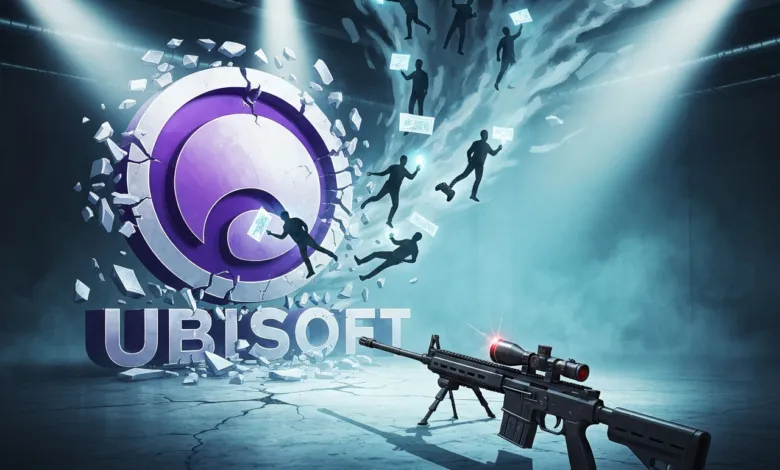
The recent closure of a key development division at Ubisoft has sent shockwaves through the company, threatening the timeline and scope of several high-profile upcoming titles. In a company-wide email on March 19, Chief Studios and Portfolio Officer Marie-Sophie de Waubert announced the end of game development at Red Storm Entertainment, resulting in 105 layoffs. This move is part of a broader global cost-reduction plan described as necessary amid challenging market conditions. Within a day, teams were reportedly scrambling to mitigate the impact on projects deemed critical to the publisher’s future.
Among the most affected projects is the next mainline Ghost Recon game, internally codenamed OVR. This title is considered a crucial release for Ubisoft’s upcoming fiscal year, aiming to return the franchise to its first-person tactical shooter origins. Despite its importance, the project has already been scaled back from its original vision. The loss of dozens of Red Storm staff who were working on OVR has created significant uncertainty, with developers fearing further descoping or delays as the company struggles to fill the void with qualified personnel.
The situation is complicated by employment protections. While affected employees are covered under the WARN Act, granting them a 60-day notice period until a final date of May 18, many had their system access revoked immediately after the announcement. Some were then asked to return to work during this period, primarily those contributing to OVR and a director’s cut of Watch Dogs Legion. At the time of its closure, Red Storm was involved in roughly ten projects, including the long-awaited Splinter Cell Remake, a game previously reported to be facing significant budgetary overruns.
This studio shutdown exemplifies a contentious cost-cutting strategy that many insiders believe is creating more problems than it solves. Red Storm was part of Ubisoft’s ‘Creative Network’ of support studios, playing a fundamental role in keeping various projects on track. The decision to close entire studios is viewed by numerous current and former employees as a blunt instrument, executed without sufficient foresight into the pipeline disruption it causes. The consensus among those spoken to is that these cuts feel untargeted, focusing on studio overhead rather than strategically aligning talent with projects.
Ubisoft’s financial pressures are undeniable, with plans for further measures aimed at saving an additional 100 million euros. However, this path appears to be creating a vicious cycle. The very act of closing studios to save money is generating critical voids in development, which in turn leads to delays, reduced game scope, and potentially even higher costs to remedy the disruptions. This approach risks addressing a symptom, budget overruns, while arguably ignoring deeper organizational issues.
The publisher now faces a difficult paradox. Its aggressive restructuring efforts intended to ensure financial stability are simultaneously destabilizing the development of the very games it needs to succeed. Without a more nuanced strategy that considers project health and retains essential talent, these cuts may undermine the company’s long-term prospects. As of publication, Ubisoft has not provided comment on these specific developments and their impact on its upcoming portfolio.
(Source: Insider-gaming.com)