Xiaomi’s New Flagship Faces Memory Price Surge Challenge
▼ Summary
– Xiaomi launched its new flagship smartphones, the Xiaomi 17 and 17 Ultra, globally to compete with Samsung and Apple in the high-end market.
– Despite a massive 80-90% surge in memory chip prices, Xiaomi has kept the launch prices of these flagships the same as last year’s models.
– Analysts warn that Xiaomi is vulnerable because its sales volume relies on mid-range phones, which could suffer from price hikes, and it lacks a strong premium segment to offset losses.
– The memory chip shortage, driven by AI data center demand, is forecast to cause overall smartphone prices to rise and the market to decline in 2026.
– Xiaomi’s electric vehicle business in China, now about a quarter of sales, is a growing revenue source as its smartphone revenue declines.
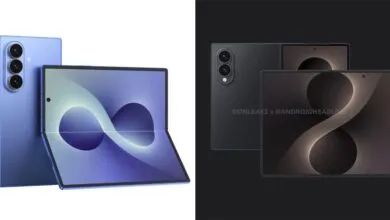
Xiaomi’s global launch of its new flagship smartphones arrives at a critical moment for the industry, as a dramatic spike in memory chip costs creates significant pressure on manufacturers. The company introduced the Xiaomi 17 and 17 Ultra, positioning these premium devices to compete directly with established leaders like Samsung and Apple in the high-end market. Notably, Xiaomi has held the line on pricing for these models compared to last year’s flagships, despite the severe component inflation.
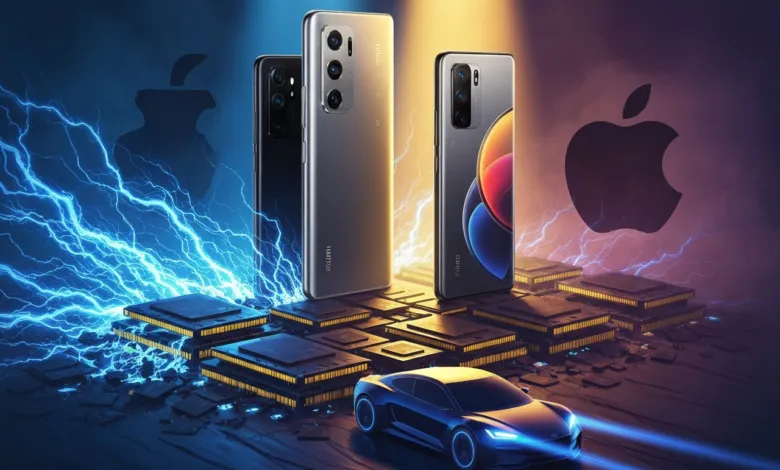
The cost of memory has skyrocketed, with reports indicating an increase of 80% to 90% just in the first part of this year. This shortage is largely fueled by overwhelming demand from data centers powering artificial intelligence systems, diverting supply away from consumer electronics. Memory is one of the most expensive components in any smartphone, and analysts project this crunch will lead to higher consumer prices across the board. Some forecasts suggest smartphone costs could rise by 13% in 2026, potentially contributing to an overall market decline.
Companies with a strong presence in the premium segment are generally better positioned to absorb these increased costs. However, this presents a particular challenge for Xiaomi. While it ranks as the world’s third-largest smartphone maker, the bulk of its sales volume comes from mid-range devices. This category is far more sensitive to price increases, which could dampen consumer demand. Its newer flagship phones are unlikely to generate enough volume or margin to fully compensate for any downturn in its core mid-tier business.
Industry experts highlight this vulnerability. Analysts point out that unlike Apple or Samsung, Xiaomi lacks a dominant premium market share, limiting its ability to use high-end profits to subsidize other segments. This weakness may force the company to raise prices on its more affordable devices, a move that could impact sales in a highly competitive price band. Company management had previously signaled that industry-wide price hikes were likely in the coming year.
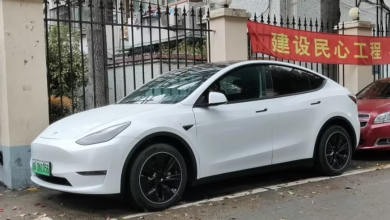
Amid these challenges in its smartphone division, Xiaomi’s strategic diversification is proving timely. The company has aggressively expanded its electric vehicle operations in China, which now contributes approximately a quarter of its total sales. This segment has seen explosive growth, with revenue surging nearly 200% in the last reported quarter. This robust performance in EVs is becoming an increasingly vital revenue stream, helping to balance pressures from the memory chip shortage and softening smartphone sales.
(Source: CNBC)