Which Nations Are Leading the New Space Race?
▼ Summary
– The US and China dominate space launch, but several allied nations now view independent launch capability as a national security priority.
– Countries like Australia, Canada, Germany, and Spain are funding commercial startups to build a domestic launch industry.
– This trend is partly driven by strained relations with the US, leading allies to increase defense spending and consider independent nuclear deterrence.
– Foreign governments are less inclined to use US launch services due to Trump’s relationship with Elon Musk, whose SpaceX dominates the market.
– While commercial satellites seek the cheapest launch, government-backed projects often use domestic rockets, as seen with the US, China, and Europe’s new Ariane 6.
While the United States and China continue to dominate global space launch capabilities, a significant shift is underway among their allies. Several nations, recognizing sovereign access to orbit as a critical national security need, are now investing heavily to build their own domestic launch industries. This strategic pivot is driven by geopolitical tensions and a desire for independence, particularly from the commercial launch services of American companies.
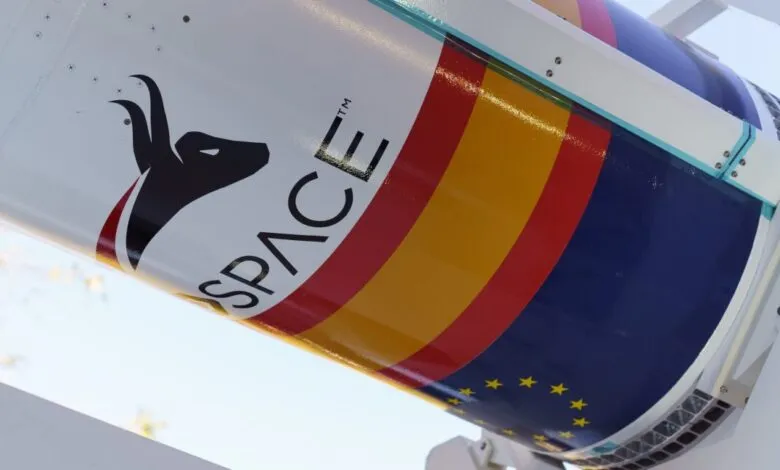
Countries like Australia, Canada, Germany, and Spain currently lack the ability to independently launch their own satellites. However, each has now approved substantial government funding to support commercial startup companies within their borders, aiming to reach the launch pad. These nations are leveraging private sector initiatives already in development, providing the capital needed to turn ambition into reality. Other countries have made bold declarations about space access but have yet to commit the necessary financial resources to support their goals.
This trend is part of a broader movement among traditional U.S. allies to increase defense and strategic autonomy spending. Changing geopolitical dynamics, including trade disputes and security concerns, have prompted many foreign leaders to reassess their reliance on American partnerships. In Europe, discussions have even included the possibility of developing an independent nuclear deterrent, moving beyond the security umbrella historically provided by the United States.
The relationship between the former U.S. administration and Elon Musk, founder of the leading launch provider SpaceX, further influenced this desire for independence. For many allied governments, the prospect of relying on a service so closely tied to the political whims of another nation became less palatable. Choosing a launch provider today often means choosing SpaceX, a situation that has spurred nations to seek alternatives.
For purely commercial satellite operators, the primary decision factors remain cost and reliability, which currently favor SpaceX for the vast majority of global contracts. However, a significant portion of the satellite market is not purely commercial. Government-backed missions, including those for defense, intelligence, and national science, often represent a captive market. The United States launches its government satellites on American rockets, and China does the same with its domestic vehicles.
The European situation has been more complex. Both the European Space Agency and the European Union have a strong preference for launching on European rockets, such as the Ariane family. Yet this was not always feasible. During the extended delays to Europe’s next-generation Ariane 6 rocket, several critical ESA and EU satellite missions had to launch aboard SpaceX Falcon 9 rockets. This period highlighted a vulnerable dependency. With the Ariane 6 now entering reliable service, Europe has reestablished its primary path to space, ending its interim reliance on American commercial launch services and reinforcing its strategic autonomy.
(Source: Ars Technica)