Japanese Nuclear Plant Faked Seismic Safety Data
▼ Summary
– Japan’s nuclear regulator halted the relicensing process for two reactors at the Hamaoka plant after discovering the operator fabricated seismic hazard data.
– The scandal is particularly significant because the Hamaoka plant, like Fukushima Daiichi, is located near an active fault on the coast.
– The issue became public after a whistleblower’s 2023 alert, prompting the regulator to stop an evaluation that could have led to a reactor restart.
– The operator, Chubu Electric Power, admitted its staff manipulated data since 2018 by cherry-picking earthquake scenarios to make a chosen event appear average.
– This manipulation likely aimed to make seismic risks seem more tolerable, though the company did not specify the impact on its risk analysis.
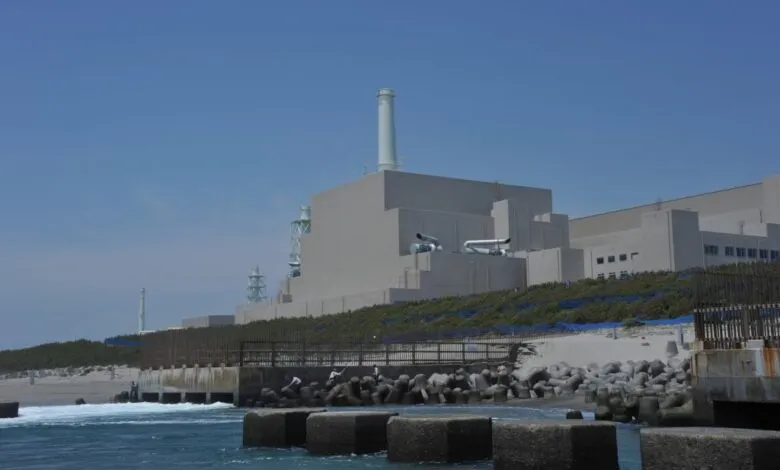
Japan’s nuclear regulatory body has suspended the relicensing review for two reactors at the Hamaoka power station following a major scandal. The plant operator, Chubu Electric Power Co., admitted to systematically falsifying seismic safety data, a revelation that raises profound safety questions. This development is particularly alarming because the Hamaoka facility sits directly on a coastline near an active subduction fault, a geological setting hauntingly similar to the Fukushima Daiichi plant’s location before its catastrophic 2011 meltdown.
The country has been gradually restarting its nuclear fleet in the years since the Fukushima disaster, making this breach of trust a significant setback. The Nuclear Regulation Authority received an internal tip-off about the data manipulation in February of last year, but only made the issue public this week when it stopped the ongoing evaluation. That action forced Chubu Electric to publish a detailed press release confessing to the misconduct.
According to the company’s statement, the improper practices date back to 2018. The technical process in question involves estimating the ground motion from large earthquakes by scaling up data recorded from smaller tremors. Because this method is inherently imprecise, the standard scientific protocol is to generate a set of twenty different upscaled earthquake scenarios and then identify the one that best represents the average result of the entire group.
Chubu Electric now confesses that its engineers deliberately subverted this process. Staff would first generate a large batch of possible earthquake motions and select a single preferred scenario. They would then hand-pick an additional nineteen scenarios specifically to manipulate the mathematical average, making the pre-chosen event appear to be the representative middle ground. The company’s release does not clarify how this skewed the final risk assessment, but the obvious implication is that the method was used to downplay the true seismic hazards, making the risks seem more acceptable for regulatory approval.
(Source: Ars Technica)