New Tool Verifies Humans Behind AI Shopping Bots
▼ Summary
– World, co-founded by Sam Altman, is developing “proof of human” verification tools to combat AI-generated content and fraud on the internet.
– Its parent company, Tools for Humanity, released a beta tool called AgentKit to verify humans behind AI agents making purchases, a practice known as agentic commerce.
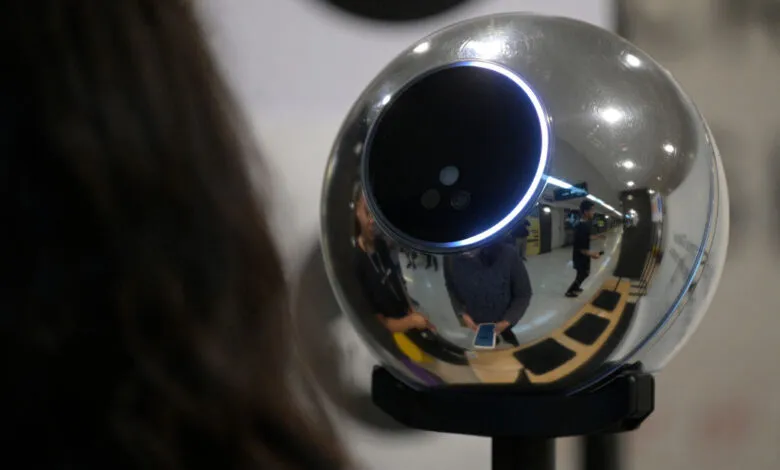
– AgentKit integrates with the World ID system, where the most secure ID is created from an iris scan via the Orb device, to confirm a unique human approves an agent’s actions.
– The tool works with the x402 protocol, a blockchain standard for automated transactions, allowing websites to verify a human user alongside or instead of requiring micropayments.
– This launch responds to the growth of agentic commerce by major companies and aims to provide a trusted verification safeguard for the industry.
In a digital marketplace where AI shopping bots are rapidly becoming mainstream, the need to distinguish legitimate human-driven transactions from automated fraud is critical. Tools for Humanity, the company co-founded by Sam Altman behind the World project, has launched a beta tool named AgentKit. This development kit aims to provide websites with a method to confirm that a real person authorizes the purchases made by an autonomous AI agent. The move addresses growing concerns within agentic commerce, where AI programs browse and buy on a user’s behalf, potentially opening the door to new forms of spam and financial abuse.
AgentKit functions by integrating with World ID, the core of Tools for Humanity’s verification system. The most secure form of this ID originates from a scan of a user’s iris, captured by a specialized hardware device called the Orb. This process generates a unique, encrypted digital identifier. The new kit allows this verified World ID to connect with the x402 protocol, a blockchain-based open standard developed by Coinbase and Cloudflare that enables automated programs to transact directly online. In practice, users register their AI shopping agents with their World ID. When an agent attempts a purchase, the x402 system communicates to the merchant website that a verified and unique human has approved the transaction.
Tiago Sada, Chief Product Officer at Tools for Humanity, explained the concept by comparing it to granting “power of attorney” to a digital agent. He emphasized that the World ID badge simply confirms the existence of a real human behind the activity, giving websites the information they need to decide whether to trust the agent’s actions. Merchants retain the ability to block users they suspect of operating in bad faith. The system is designed as a complementary layer for sites already using the x402 protocol, allowing them to enable proof of unique human verification alongside or instead of other methods like micropayments.
The beta release of AgentKit is currently available to developers, with the expectation that their feedback will help refine the technology. It’s important to note that to utilize this verification, consumers must have a World ID verified through the Orb iris-scanning process. This launch arrives at a pivotal moment, as major players like Amazon, Mastercard, and Google have already begun implementing their own frameworks to support automated, agent-driven commerce. As this sector expands, the demand for reliable safeguards to ensure stability and prevent fraud becomes increasingly urgent. Tools for Humanity is strategically positioning its World ID ecosystem to become the foundational provider of that essential trust and security layer for the future of automated online transactions.
(Source: TechCrunch)