Gecko Robotics Secures Record U.S. Navy Robotics Contract
▼ Summary
– The U.S. Navy has signed its largest robotics deal, a five-year contract with Gecko Robotics, starting with $54 million and a $71 million ceiling, to aid fleet maintenance.
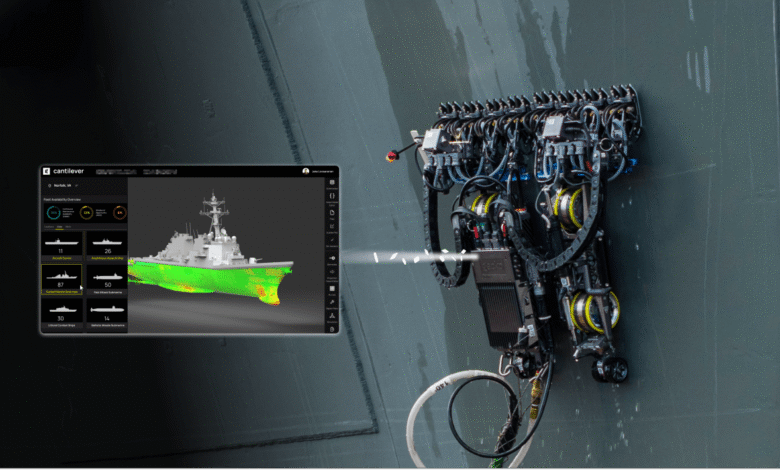
– The Navy will use Gecko’s robots and sensors to inspect and monitor the health of its ships, beginning with 18 vessels in the Pacific Fleet.
– The robots will create detailed digital replicas, or “digital twins,” of the ships to enable predictive maintenance and reduce repair times and costs.
– This initiative supports the Navy’s goal of achieving 80% ship readiness by 2027, as currently about 40% of the fleet is unavailable due to long maintenance cycles.
– The partnership aims to transform maintenance by providing real-time asset health data, allowing for repairs during deployment and extending the lifespan of critical military assets.
The U.S. Navy has awarded its most significant robotics contract to date, partnering with Gecko Robotics to deploy advanced inspection technology across its fleet. This strategic move aims to revolutionize naval maintenance by implementing cutting-edge robotic systems and data analytics. The goal is to enhance operational readiness and significantly reduce the costly downtime currently plaguing the service’s vessels.
Based in Pittsburgh, Gecko Robotics has finalized a five-year, indefinite delivery contract with the Navy and the General Services Administration. The agreement commences with an initial award of $54 million and features a total potential value of $71 million. The initial phase will focus on inspecting 18 ships within the U.S. Pacific Fleet, utilizing the company’s specialized crawling robots and sensor arrays.
These robots are designed to access every compartment and confined space aboard a ship, collecting immense amounts of structural data. This information is used to construct a highly detailed digital twin, a virtual, living model of the physical vessel. Gecko’s accompanying software platform then analyzes this digital representation to monitor asset health, predict potential failures, and recommend precise maintenance actions. The objective is to shift from reactive repairs to proactive, condition-based upkeep.
Jake Loosararian, Gecko’s founder and CEO, explained the transformative potential of this approach. Creating an accurate digital model of a ship’s condition allows maintenance teams to make faster, more informed decisions. The technology builds a dynamic blueprint that helps reduce the future days a vessel must spend out of service for unscheduled repairs. This capability is central to the Navy’s ambitious target of achieving 80% ship readiness by 2027, a substantial increase from the current estimate where roughly 40% of the fleet is unavailable at any given time due to lengthy maintenance cycles.
The financial stakes are enormous. Loosararian cited annual maintenance costs ranging between $13 billion and $20 billion. In an era of heightened global demands, having critical naval assets sidelined represents a major strategic and fiscal challenge. The aging nature of the fleet only intensifies the need for innovative solutions that extend service life and maximize availability.
Gecko’s relationship with the Navy developed over four years, beginning when a port engineer in Japan initiated contact. After a successful evaluation period where the company demonstrated its technology and drafted a preventative maintenance plan, the Navy expanded its engagement, culminating in this landmark contract. Loosararian envisions a future where maintenance does not require extended, planned dry-docking periods. Instead, continuous monitoring would allow issues to be identified and addressed even while assets are deployed, whether they are military ships or critical industrial infrastructure like power plants.
(Source: TechCrunch)