Streamline AI Integration with iPaaS
▼ Summary
– Fewer than half of CIOs report their digital initiatives are meeting business targets, with integration complexity and data quality cited as key reasons for underperformance.
– A fragmented IT landscape creates difficulties in controlling end-to-end business processes, leading to poor monitoring, higher governance costs, and complex maintenance.
– The adoption of AI places new demands on systems, requiring them to handle larger data volumes at higher speeds with tighter coordination than traditional architectures support.
– Companies recognize that for an AI-powered future, the efficient movement of data is as critical as the insights derived from it.
– Organizations are consequently shifting from scattered integration tools toward consolidated, end-to-end platforms to streamline system interactions and restore order.
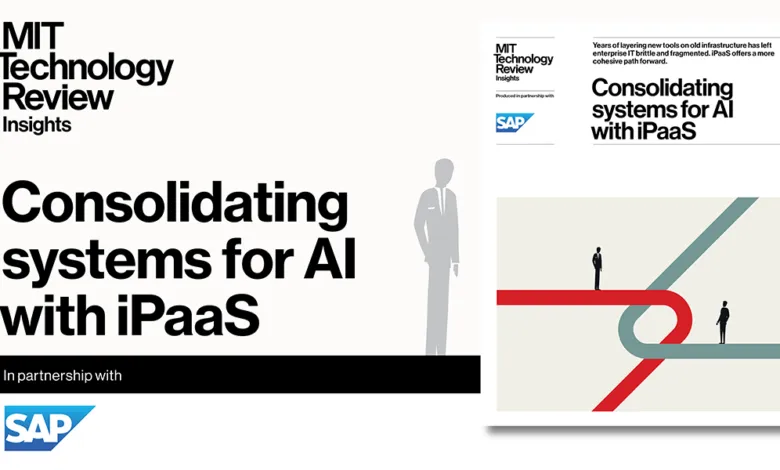
The drive to adopt artificial intelligence is exposing a critical weakness in many organizations: their fragmented and outdated data integration systems. These legacy approaches create bottlenecks that stifle performance and directly hinder business outcomes. Recent surveys reveal that less than half of chief information officers feel their digital projects are hitting their targets, with integration headaches and poor data quality frequently blamed for the shortfall.
Achim Kraiss, chief product officer for SAP Integration Suite, points out the operational toll of a disjointed technology landscape. He notes that a patchwork of systems obscures visibility into core business processes, making monitoring and governance far more difficult. This lack of control inevitably drives up costs due to the constant need to manage complex connections and data mappings between applications.
The pressure on these systems intensifies dramatically with the introduction of AI. Whether deploying generative AI, machine learning models, or autonomous agents, these technologies demand that data flow seamlessly, at high velocity, and with precise coordination. Legacy architectures simply were not designed to handle the volume and speed required for intelligent, real-time workflows.
Consequently, a strategic shift is underway. Companies are recognizing that the infrastructure for moving data is as vital as the analytical insights the data provides. The focus is moving away from a collection of disparate point solutions and toward unified, comprehensive platforms. These integrated platforms are essential for restoring order, simplifying how applications communicate, and creating a reliable foundation for AI-driven innovation. By consolidating their integration strategy, businesses can eliminate complexity, reduce maintenance burdens, and finally unlock the full potential of their technology investments.
(Source: Technology Review)