The Metaverse Dream Is Fading
▼ Summary
– Meta has laid off 10% of its Reality Labs staff and shut down VR game studios, marking a major reversal from its 2021 rebranding and metaverse-focused identity.
– The company’s metaverse push, including its Horizon Worlds app, failed due to massive financial losses, middling consumer demand, and a product that under-delivered on its hype.
– Meta’s strategy was partly driven by a desire to create its own app platform to bypass Apple and Google’s fees, but it alienated developers by announcing high commission rates prematurely.
– User safety in the metaverse was poorly managed, with reactive features like “Personal Boundary” only introduced after reports of harassment and virtual assaults.
– Meta is now deprioritizing VR in favor of AI and more popular hardware like its Ray-Ban smart glasses, which have seen stronger consumer interest.
The recent wave of layoffs and studio closures at Meta’s Reality Labs division signals a dramatic retreat from the company’s once all-consuming vision for the metaverse. This strategic pivot, shifting resources toward artificial intelligence, underscores a fundamental miscalculation about consumer demand and the readiness of the underlying technology. What was heralded as the inevitable future of digital interaction has largely failed to capture the public’s imagination, leading to massive financial losses exceeding $73 billion for the division that never turned a profit.
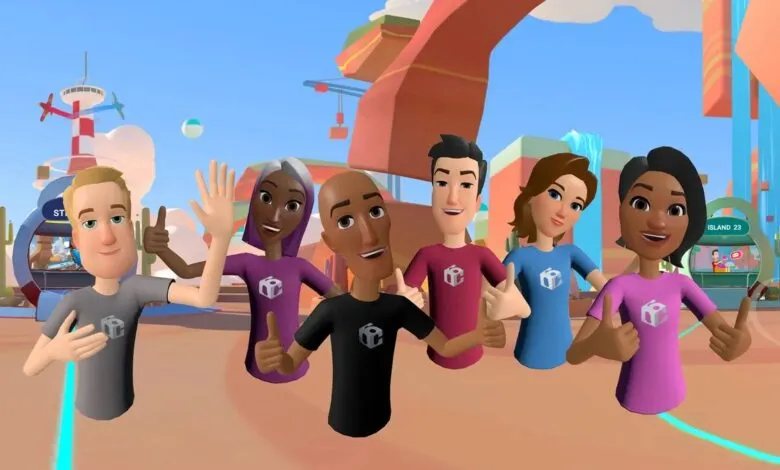
Initial excitement for a virtual reality-driven future has been replaced by a stark reality. Early versions of the platform were widely criticized for their underwhelming user experience, exemplified by simplistic, legless avatars that became the subject of online mockery. More critically, consumer demand for VR hardware has consistently declined, with global headset shipments falling for three consecutive years. Despite Meta capturing a dominant market share, the overall shrinking market revealed a lack of mainstream interest in the bulky headsets required to access these virtual worlds.
Meta’s approach was also hampered by strategic missteps. The company appeared more focused on establishing a lucrative, walled-garden app store to rival Apple and Google than on delivering a compelling product. This ambition was evident when Meta announced plans to take a 47.5% cut from digital asset sales within Horizon Worlds, a move that alienated potential creators before the platform had achieved any meaningful scale. The company’s “build in the open” philosophy, which involves releasing early products for public feedback, failed because there simply weren’t enough engaged users to provide the necessary iteration momentum.
Significant safety and harassment issues further tarnished the metaverse’s appeal. Reports emerged of users experiencing virtual sexual assault and other forms of harassment within Meta’s platforms. The company’s response was often reactive, implementing safety features like a “Personal Boundary” only after problems were widely publicized. These incidents highlighted a lack of forethought in community policy and moderation, discouraging participation and damaging trust in the virtual environment.
Internally, the financial burden became unsustainable. Reality Labs operated at a staggering loss, burning through capital while failing to show a path to profitability. This constant drain worried investors and contrasted sharply with the booming growth and profitability of Meta’s core social media apps like Facebook, Instagram, and WhatsApp. The recent decision to cut the division’s budget and reduce its workforce is a clear acknowledgment that the massive investment did not yield the expected return.
The final blow to the metaverse dream may be the rise of more practical and popular technologies. Meta’s Ray-Ban smart glasses, which integrate AI and augmented reality features, have seen surging consumer interest, even outselling traditional Ray-Bans in some stores. This success with sleek, wearable hardware stands in stark contrast to the niche appeal of VR headsets. Simultaneously, the explosive growth of generative AI has captured both industry focus and public fascination, presenting a more tangible and immediately useful technological frontier.
Consequently, Meta is now channeling its ambitions and capital into areas with clearer traction. The future, for the moment, appears to be centered on AI development, large language models, and accessible augmented reality wearables, leaving the grandiose metaverse vision as a costly and fading experiment.
(Source: TechCrunch)
