HyperX’s EEG Headset Prototype Monitors Brain Waves for Gaming
▼ Summary
– HP’s HyperX brand is collaborating with startup Neurable to develop a gaming headset with EEG-like sensors to interpret brain activity.
– The headset aims to use AI to help players improve their focus and accuracy by providing real-time cognitive feedback.
– Neurable already offers a $500 consumer headphone with EEG capabilities for tracking focus and productivity insights.
– A hands-on impression of the prototype noted it improved accuracy and reaction time but was currently too heavy for long gaming sessions.
– The final commercial product from the HyperX and Neurable collaboration is still at least a year away from release.
The intersection of gaming and neuroscience is taking a tangible step forward with a new prototype from HyperX. In a collaboration with the neurotechnology startup Neurable, the peripheral brand is developing a gaming headset capable of monitoring brain waves. This device aims to leverage electroencephalogram (EEG) sensors and artificial intelligence to provide real-time feedback, with the stated goal of helping players enhance their focus and accuracy during gameplay. While the concept of brain-computer interfaces (BCIs) has long been a staple of science fiction, this partnership signals a push to bring the technology into the consumer gaming mainstream.
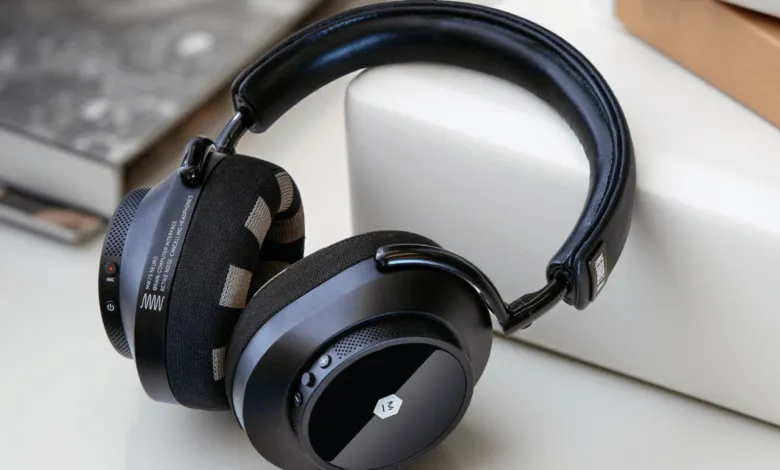
The prototype, showcased at a recent tech exhibition, integrates Neurable’s sensor technology discreetly around the ear cups of a familiar headset design. The concept model suggests a final product that will include a microphone, blending conventional gaming audio with advanced biometric tracking. The core functionality relies on proprietary AI algorithms developed by Neurable, which interpret neural activity to offer cognitive insights. The company’s existing product, a set of headphones priced around five hundred dollars, uses similar technology to analyze a user’s daily focus patterns for productivity purposes. This gaming-focused application follows a similar principle, attempting to quantify and improve a player’s mental state during sessions.
Initial hands-on impressions of the early hardware note that the current prototype carries significant weight, a factor that would need refinement for comfort during extended use. However, testers reported that the accompanying software, designed to help users enter an optimal state for gaming, demonstrated a slight but measurable positive impact on both reaction times and targeting precision. The idea of technology that can help filter out distraction and sharpen concentration holds clear appeal in a landscape filled with digital interruptions.
Despite the intriguing potential, the project remains in a developmental phase, with a commercial release likely more than a year away. A primary consideration will be final cost, as neurotechnology currently carries a premium price tag. For many gamers, a significant investment in such a peripheral would require demonstrable and consistent performance benefits that justify the expense over traditional high-quality headsets. The collaboration between HyperX and Neurable represents a fascinating experiment at the frontier of gaming hardware, one that promises a more immersive and responsive experience by tuning into the player’s mind itself.
(Source: PC Gamer)