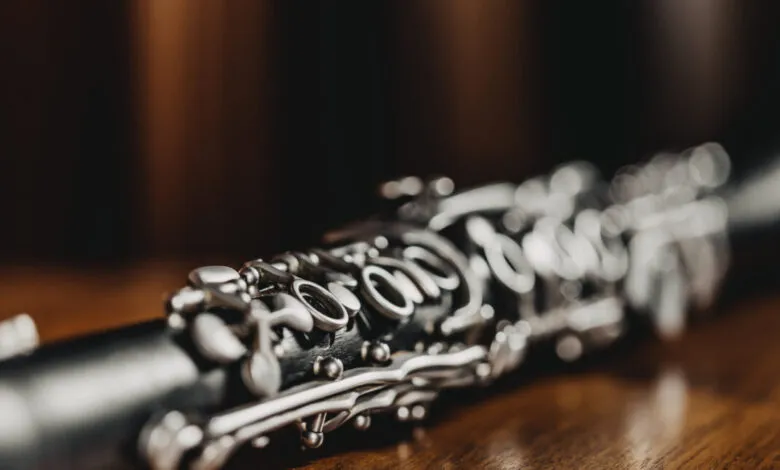
AI security flagged student’s clarinet as a gun, and company defends it
▼ Summary
– A Florida middle school was locked down after an AI security system, ZeroEyes, falsely identified a student’s clarinet as a gun.
– Police responded to the alert expecting an armed suspect but instead found a student in a costume holding a band instrument.
– The AI company defended the false alarm, stating its system is designed to be proactive and adopt a “better safe than sorry” approach.
– The school appeared to side with the company, blaming the student for how he held the instrument rather than questioning the system’s review process.
– The incident has revived criticism about the reliability and value of expensive AI security systems in schools.
A recent incident at a Florida middle school has reignited the debate over the reliability and value of artificial intelligence in campus security. The school entered a lockdown after an AI-powered monitoring system, ZeroEyes, generated an alert for a suspected firearm. The object in question was later identified as a student’s clarinet, highlighting the persistent challenge of false positives in automated threat detection systems. This event underscores the complex trade-offs schools face between proactive safety measures and the potential for disruptive errors.
According to a review of police reports, human operators verified the AI’s alert, which described a person in camouflage holding a suspected weapon in a shouldered position. This prompted a rapid law enforcement response to Lawton Chiles Middle School. Officers arrived expecting to confront an armed individual, only to find no evidence of a shooter. Dispatchers then relayed that a more detailed look at the imagery suggested the object might be a musical instrument.
The situation was resolved in the school’s band room, where police located the student. He was reportedly dressed as a military character from a Christmas film for a themed dress-up day and was holding his clarinet. The student told authorities he was completely unaware that how he was carrying the instrument could have been misinterpreted.
In response to the incident, ZeroEyes co-founder Sam Alaimo defended the system’s actions. He stated the AI performed as intended, operating on a “better safe than sorry” principle. A company spokesperson emphasized that their school clients consistently request proactive alerts whenever there is even a fraction of doubt about a potential threat. Alaimo asserted that neither the company nor the school believed an error was made, arguing that dispatching police was the preferable course of action.
The school’s apparent alignment with ZeroEyes shifted focus toward the student’s behavior. The company’s spokesperson contended the individual was “intentionally holding the instrument in the position of a shouldered rifle,” a claim that contrasts with the student’s stated lack of awareness. This perspective effectively placed responsibility for the false alarm on the student rather than prompting a deeper examination of the review process that allowed the alert to escalate into a full lockdown.
This case illustrates the ongoing tension in deploying AI for public safety. While the technology aims to provide an extra layer of security, its limitations can lead to significant disruptions and anxiety. The incident raises critical questions about the protocols for human verification of AI-generated alerts and the balance between caution and overreaction in sensitive environments like schools.
(Source: Ars Technica)
