Edtech startup raises $4.5M to teach students vibe coding
▼ Summary
– Imagi, co-founded by Dora Palfi and Beatrice Ionascu in 2018, raised $4.5 million in seed funding to expand K-12 coding and AI literacy tools.
– The company partnered with Lovable in November 2024, allowing teachers to create lessons and students to learn “vibe coding” with safety guardrails; OpenAI provided $1 million in credits for free access.
– Student projects from the partnership include a teacher-built app translating curriculum into 15 languages, a digital wardrobe app, and a website for a lawn-mowing business with booking features.
– Imagi ensures safe AI deployment by screening all prompts and responses for violations, complying with COPPA, FERPA, and GDPR, with zero data retention and no training on student data.
– The platform has reached over 700,000 students in 140 countries, with new funding aimed at scaling into more K-12 schools, district sales, hiring, and launching a new platform next month.
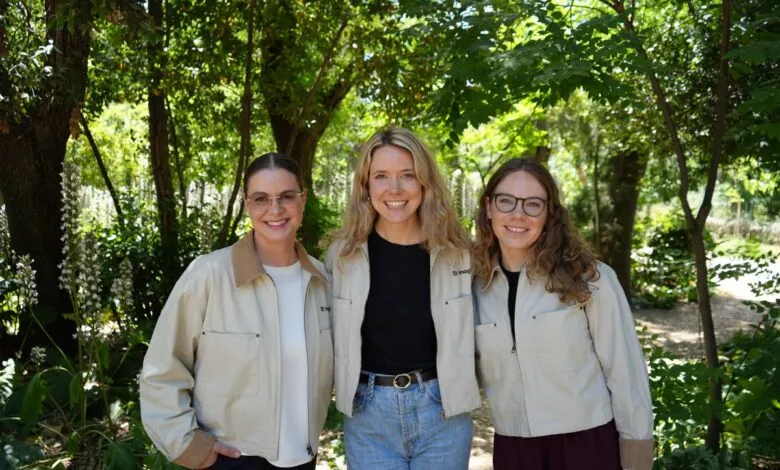
Dora Palfi grew up surrounded by educators. Her parents were teachers, and from an early age, she absorbed a powerful lesson: education can fundamentally reshape a person’s future. That belief drove her to co-found Imagi in 2018 alongside Beatrice Ionascu. The company equips K-12 students and teachers with tools for coding, basic computer skills, and, as of last year, AI literacy. On Thursday, Imagi announced a $4.5 million seed round backed by Brighteye Ventures, Day One Capital, and musician Wil.i.am.
A key milestone came last November, when Imagi partnered with vibe coding tool Lovable. This integration lets teachers design lessons and gives students controlled access to the platform, allowing them to learn vibe coding with built-in safeguards. OpenAI also contributed $1 million in credits, making the Imagi x Lovable tool free for schools. “We continue providing free trials and freemium access thanks to their support,” Palfi said.
The partnership has already produced notable projects. One teacher built an app that translated her curriculum into 15 languages spoken by students in her classroom. Another graduate created Alta, a digital wardrobe app inspired by Clueless. “Another student built himself a website to promote his lawn-mowing business, linking to his calendar so people can book time directly on the website,” Palfi added.
Imagi’s approach addresses a heated debate: how AI should be used in schools and how young people should interact with powerful technology. Palfi noted that the teams behind OpenAI and Lovable are “experts in building frontier AI tools,” while educators like herself “have the experience and knowledge to safely deploy them in the classroom.”
Safety is paramount. Every prompt and response generated by the platform is screened, with violations removed before reaching students. Imagi complies with COPPA, FERPA, and GDPR, meaning zero data retention and no training on student activity. Teachers also receive training on using AI, coding, and computational tools so they can teach confidently. “Rather than worrying about students cheating or regressing with AI, the education system has to adjust to the reality,” Palfi said. “Most kids already use AI, but we need to teach children to build with AI rather than just passively consume it.”
This is especially urgent given AI’s impact on future job markets. Many students lack access to AI tools at home, making school the ideal place to learn. Since launching, Imagi has reached over 700,000 students across 140 countries. The new funding will help scale into more K-12 schools, invest in district sales and hiring, build new product features, and launch a new platform next month.
(Source: TechCrunch)