Age Verification’s Future: Your Face Stays on Your Device
▼ Summary
– Age verification laws are expanding globally, increasing pressure on organizations to balance user privacy with regulatory compliance.
– Incode’s on-device age estimation verifies age without transmitting or storing facial images, enhancing privacy protection.
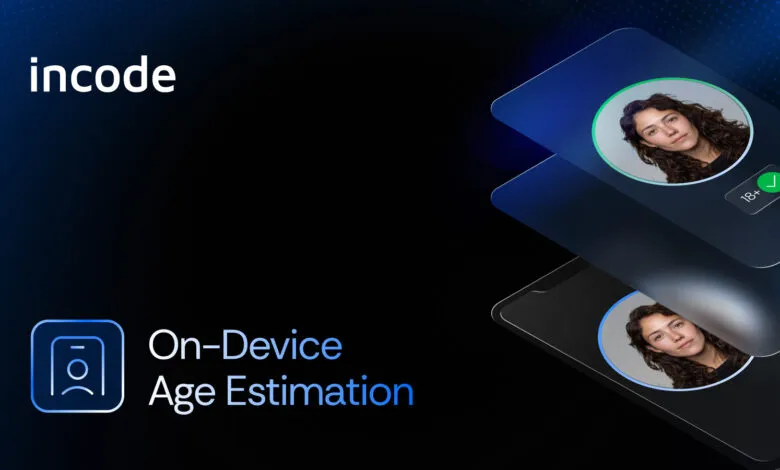
As age verification regulations tighten across the globe, businesses are increasingly caught between compliance and protecting user privacy. The challenge is real: how do you confirm someone is old enough without collecting sensitive biometric data that could be compromised? Incode offers a solution through on-device age estimation, a technology that verifies age without ever sending or storing a user’s facial image.
This approach fundamentally shifts the privacy equation. Instead of uploading a photo to a remote server for analysis, the estimation happens entirely on the user’s smartphone or computer. The device processes the facial data locally, determines an age range, and then sends only a simple yes-or-no confirmation to the service provider. The image itself never leaves the device, significantly reducing the risk of data breaches or misuse.
For organizations, this means they can satisfy Know Your Customer (KYC) and age-gating mandates without building expensive, high-risk biometric databases. For users, it offers peace of mind: their face remains private, and the verification process is both fast and frictionless. As more states and countries enact stricter age verification laws for everything from social media to online gaming, this on-device model could become the standard for balancing security with privacy compliance.
The technology is already being deployed, and its adoption is likely to accelerate. By keeping biometric data local, companies can avoid the legal and reputational headaches that come with centralized storage of sensitive information. In a landscape where trust is currency, the future of age verification might just be the one where your face stays on your device.
(Source: BleepingComputer)