I tested ChatGPT Images 2.0: A fun leap forward, now genuinely useful for work
▼ Summary
– ChatGPT Images 2.0 generates accurate text and usable graphics, including full-page infographics, and can match brand styles like ZDNET’s.
– The ZDNET logo was correctly reproduced and styled when a standalone logo image was uploaded with prompts.
– The AI introduced factual errors, such as listing nine website builders when only five were reviewed and replacing a reviewed service with an unreviewed competitor.
– The system added fabricated star ratings and generosity toward vendors that contradicted the original review text.
– Despite errors comparable to a human designer’s first draft, the tool represents a major improvement over previous versions and offers tangible business value.
OpenAI’s latest image generation tool, ChatGPT Images 2.0, marks a significant leap forward , not just for creating eye-catching visuals, but for producing work-ready graphics with accurate text and brand alignment. Released earlier this week, the engine moves beyond what OpenAI calls mere “decorations” to deliver full-page infographics, sketchnotes, and branded assets that can genuinely support business tasks.
I tested a pre-release version and found it promising, though it initially struggled with the ZDNET logo. Now that the official version is live, I’ve put it through a rigorous set of challenges. Images 2.0 is available across all ChatGPT tiers, but the most advanced language features require a paid subscription with Thinking mode enabled. For these tests, I used a ChatGPT Plus account.
To ensure branding consistency, I uploaded a standalone ZDNET logo image with each prompt rather than relying on the AI to find it within screenshots. (Note: ZDNET does not allow OpenAI to scrape its pages, and parent company Ziff Davis has an active lawsuit against OpenAI over copyright infringement. I used a Chrome extension to capture full-screen article screenshots for testing.)
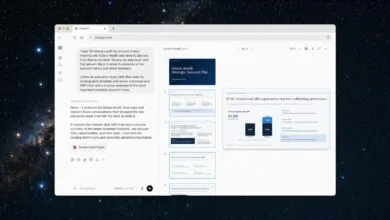
Can Images 2.0 preserve the ZDNET logo? Yes, and impressively so. I asked it to create an infographic of my earlier Images 2.0 article using ZDNET’s brand style. The result featured a perfectly rendered logo, spot-on coloring, and , most notably , all text was correct, including tiny angled captions.
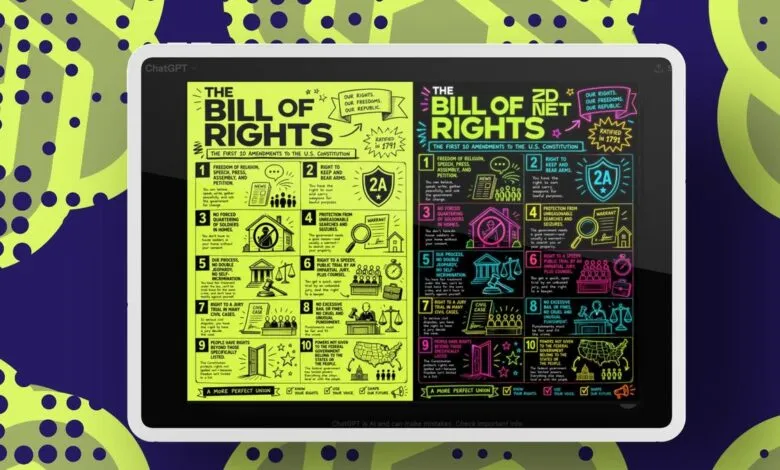
Next, I revisited the sketchnotes challenge I had given Google’s Nano Banana months ago: create a visual summary of the US Bill of Rights. Nano Banana produced great images but struggled with text accuracy. For Images 2.0, I added the twist of using ZDNET’s branding. The first prompt asked for sketchnotes in ZDNET style; the second added neon colors on a black background. Both versions delivered error-free text , no duplicates, no missing phrases. The only minor issue was the logo placement on the second image, which felt slightly forced.
Then came an infographic test of my AI website builder shootout article. The tool produced a dense, usable graphic , even adding base pricing from the web. But four errors emerged: it claimed “9 of the best AI website builders” when I only reviewed five; it replaced 10Web with Durable, a competitor I never mentioned; it generated star ratings for categories I didn’t score, sometimes contradicting my actual reviews; and a small drooping line appeared above the logo. These are the kind of first-draft mistakes a human designer might make, and a second prompt corrected most of them.
This release is a massive improvement over earlier versions. Last year’s ChatGPT Images was impressive for recontextualizing visuals, but this one interprets actual content and creates usable graphics. It delivers tangible business value , not just fun pictures, but real work assets.
I’ll be comparing it directly with Google’s Nano Banana and pushing it further into tasks like user interface design. For now, the key question remains: How comfortable are you relying on AI-generated visuals, knowing subtle factual errors can slip in? Share your thoughts in the comments.
(Source: ZDNet)