Revive Your Wavebird: Open-Source Adapter Unlocks Modern Gaming
▼ Summary
– A common problem with vintage Nintendo Wavebird controllers is that their original tiny wireless receivers are often lost, leaving only the larger controller.
– The Wave Phoenix project is an open-source design to create a new wireless receiver, using an affordable and compact RF-BM-BG22C3 Bluetooth module.
– The design includes a custom PCB and a 3D-printed case, making assembly accessible for both soldering experts and novices.
– Once flashed with custom firmware, the adapter pairs easily with the Wavebird controller and can receive future wireless updates.
– Builders report the adapter performs as responsively as the original, rescuing controllers from being discarded and restoring wireless functionality.
Finding a complete Nintendo Wavebird controller set today is a real challenge. The iconic wireless GameCube controller often outlasts its original, tiny RF receiver, leaving gamers with a fantastic controller and no way to use it. An innovative open-source project now offers a modern solution, breathing new life into these classic peripherals with a clever and affordable adapter.
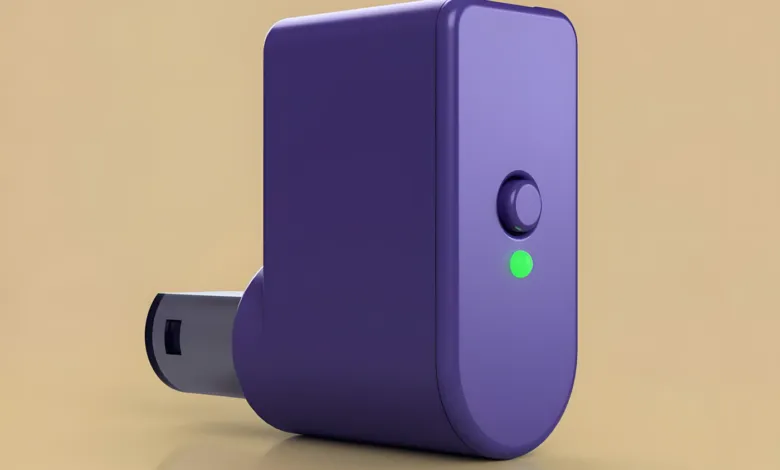
This project, aptly named Wave Phoenix, is designed to resurrect the legendary Wavebird. It centers on using widely available, low-cost components. The heart of the design is an RF-BM-BG22C3 Bluetooth module. Its minimal power consumption and incredibly small size make it perfect for fitting into the compact space of a GameCube controller port. In fact, the module is physically smaller than the console’s original proprietary connector. For builders, the good news is that compatible third-party connectors are easy to source.
Assembly is approachable for various skill levels. The creator notes that hand-wiring all the connections is entirely possible. For those seeking a cleaner build, an optional custom PCB design is provided. This board fits neatly inside a 3D-printed shell, available in classic colors like the iconic GameCube purple. After flashing the custom firmware to the Bluetooth module, pairing is straightforward. You simply press the pairing button on the Wave Phoenix adapter and then press X and Y simultaneously on the Wavebird controller. The connection remains stable as long as the controller’s physical channel selector dial isn’t changed. A significant advantage is that future firmware updates can be delivered wirelessly via Bluetooth, ensuring the adapter can improve over time.
Early builders of the Wave Phoenix adapter report excellent results. Independent testing shows that input latency and responsiveness are comparable to the original Nintendo receiver. Combined with the variety of shell color options available through 3D printing, this project successfully upcycles Wavebird controllers that might otherwise be discarded. It effectively removes the final barrier to enjoying cord-free classic gaming.
This initiative joins a growing trend of open-source hardware projects aimed at preserving and enhancing vintage gaming gear, offering practical solutions that keep beloved controllers in active use for years to come.
(Source: Hack A Day)