Is YouTube Kids Good Enough For You ?
▼ Summary
– The author initially downloaded YouTube Kids for toddler entertainment but ultimately banned it due to problematic content and algorithmic recommendations.
– YouTube Kids contains endless low-quality computer-generated videos and toy unboxing content that often lacks genuine educational value.
– Despite offering parental controls like whitelisting and time limits, the platform still surfaces questionable content through its recommendation system.
– The author found it difficult to identify content creators and disliked how videos are designed to maximize attention with repetitive, low-cost production tactics.
– The family now uses Disney Plus and Prime Video instead, finding their content more tolerable and less manipulative than YouTube Kids.
My family’s journey with YouTube Kids began during a chaotic bout of flu season back in 2022, when we desperately needed a few quiet moments to ourselves. Like many parents of young children, we turned to the app hoping for safe, engaging content. It did provide a temporary solution, but over time, what started as a helpful distraction evolved into a source of constant concern, culminating in our decision to remove YouTube Kids from every device in our home.
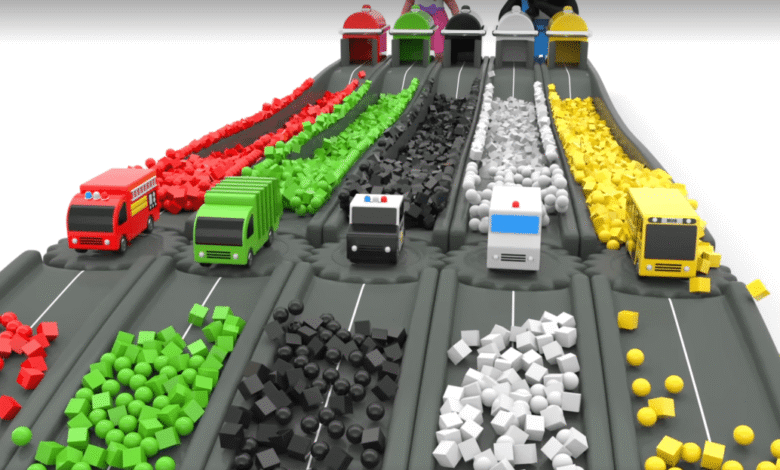
At first, we let our son Lennox explore the app freely, relying on its preschool-friendly filters. He discovered some genuinely sweet and harmless shows, like Truck Tunes and Zerby Derby, a quirky live-action series with remote-controlled cars that brought a smile to my face. But the algorithm kept steering him toward strange, repetitive content. We encountered countless computer-generated clips of trucks, sharks, and buses driving into paint vats, supposedly to teach colors, and an endless parade of unboxing videos featuring adults playing with toys. Even farming simulator gameplay, which I never imagined would appear on a kids’ platform, somehow made its way into his queue.
After what felt like the tenth replay of an episode called “The Stinky Car,” I’d had enough. The parental controls in YouTube Kids are fairly robust, you can whitelist approved channels, set viewing timers, and block unwanted content. I never encountered anything outright dangerous, but the platform suffers from a serious quality problem. Many videos labeled “educational” offer little real value. For instance, what exactly does a visit to a Tesla showroom with someone named Cowboy Jack teach a preschooler? It’s hard to say.
I eventually took the time to handpick a small selection of channels I found acceptable. Yet even within that curated list, bizarre and irritating material kept surfacing. Lennox became fixated on a series called SuperCar, which seemed harmless at first glance. But after repeated viewings, the clumsy English dubbing, nonsensical storylines, and overall annoyance became unbearable. We took an extended break from the app, which later turned into a permanent deletion.
Reflecting on my frustration, I realized part of the issue lies in how opaque the content creation process feels. SuperCar is copyrighted by Lefun Entertainment, which calls itself a “globally beloved children’s brand.” A bit of digging led me to a parent company based in Shanghai. While I don’t mind my child watching international cartoons, I shouldn’t need to spend half an hour researching corporate ownership just to understand what he’s viewing.
What bothers me most is how transparently these videos are engineered to capture and hold a child’s attention, often at the lowest possible production cost. Repetitive animations, generic background music, and direct calls to “search for more videos” make the experience feel manipulative. Even the ads aren’t the main problem; it’s the tactics used to keep kids glued to the screen. Paying for YouTube Premium removes commercials, but it doesn’t improve the actual content.
Let’s be honest, this is capitalism at work. Major studios like Disney aren’t charities either, but their approach feels different. I’ve never seen Mickey Mouse end a clip by instructing toddlers to type his name into a search bar. Subscription services like Disney+ and Amazon Prime Video now provide our household’s screen time. I’ve even purchased full seasons of shows like Zerby Derby just to steer clear of YouTube Kids. The standalone YouTube Kids app no longer exists on our smart TV, it’s been folded into the main YouTube application. While the experience is similar, it feels unsettling to have children’s content housed alongside everything else on the platform.
If I could turn back time, I’d love to tell my son that television only offers PBS Kids. But that ship has sailed. Tablets and streaming are part of our lives, and yes, sometimes we need those moments when cartoons give us a chance to breathe. These days, that means a lot of Paw Patrol and similar age-appropriate shows. Are they better for Lennox than what he watched on YouTube? Most likely. And not having to hear “The Stinky Car” ever again? That alone feels like a victory.
(Source: The Verge)