Nintendo’s App Overload Is a Problem
▼ Summary
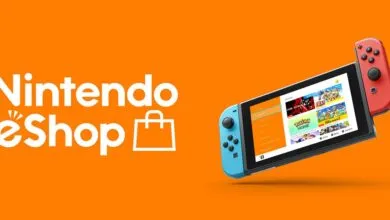
– Nintendo has released a new store app for Android and iOS, allowing users to purchase Switch and Switch 2 hardware, accessories, and games.
– The author notes that Nintendo now has four or five separate apps on their phone, which feels excessive and overwhelming to manage.
– Nintendo’s strategy of doing things differently has insulated it from industry trends but has also led to performance and user experience issues compared to competitors.
– The apps have overlapping features, such as play activity and news, suggesting they could be consolidated into a single app for a better user experience.
– Nintendo’s approach to its music app, requiring a subscription and not crediting composers, may be a strategy to enhance its online service appeal or avoid royalties.
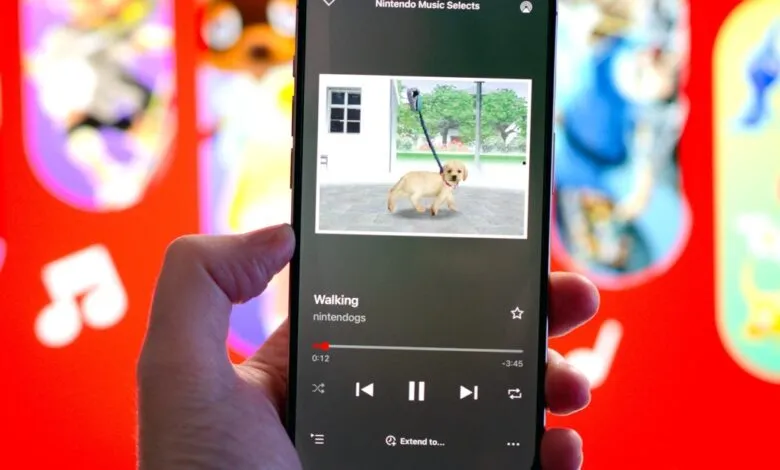
My phone’s app screen now features an entire row dedicated to Nintendo, a visual testament to the company’s growing collection of mobile software. With the recent launch of its new store application for Android and iOS, users can purchase Switch and Switch 2 hardware, accessories, and games directly from their devices. This brings the total to four core apps: the main Switch companion app, the Nintendo Music service, the Nintendo Today news feed, and the new storefront. For parents, that number climbs to five with the inclusion of the Switch Parental Controls app. This proliferation of individual applications creates a disjointed and cumbersome user experience that stands in stark contrast to the streamlined ecosystems offered by competitors.
Nintendo has a long-standing reputation for marching to the beat of its own drum, a strategy with both notable successes and frustrating shortcomings. The company often avoids chasing the latest industry trends with the same fervor as Microsoft and Sony. This independence can be a shield, protecting it from costly missteps like failed live-service game investments. However, this same trait frequently leaves it lagging in areas of performance and user convenience. A prime example is console-native voice chat, a standard feature on other platforms for years, which only arrived with the Switch 2.
This new wave of apps feels like a confused effort to both innovate and catch up, resulting in an overwhelming digital toolkit. The question isn’t whether these services are valuable, they are, but whether they necessitate their own standalone applications. Managing this suite of programs for a single gaming ecosystem feels unnecessarily complicated. Each app serves a distinct, and often siloed, purpose. The Switch app is essential for managing screen captures and social features, while the new store is the primary place for digital purchases. The Nintendo Today app, while not strictly mandatory, offers useful tools like release date reminders and can be a source for early announcements. Similarly, the music app exists because Nintendo does not make its iconic soundtracks available on mainstream streaming platforms, forcing fans into a dedicated, walled garden.
A significant issue is the noticeable feature overlap between these apps. A user’s play activity is visible in both the store and the main console application. Furthermore, the store’s integrated news section is often more comprehensive than the one found in the dedicated Nintendo Today app. This redundancy begs the question: why not consolidate these functions into a single, unified application? PlayStation and Xbox have successfully implemented this model, providing a seamless experience where players can effortlessly move from viewing their trophy collection to browsing the digital store.
One could argue that the music application warrants its own space, as integrating a full music player into a general management app might be unwieldy. Yet, even this feels like an over-engineered solution. Nintendo is famously protective of its intellectual property, but that doesn’t inherently explain why fans must download a proprietary app to listen to official soundtracks instead of accessing them on services like Spotify. Since using the music app requires a Nintendo Switch Online subscription, it raises the possibility that this siloed approach is a tactic to add value to the membership. It may also relate to a reluctance to pay royalties; notably, the music app does not credit composers, something that would be mandatory on public streaming platforms.
As the video game industry evolves, companies are competing not just with each other but with every other form of digital entertainment for a user’s attention. While some publishers are exploring strategies like bringing their exclusive titles to other platforms, Nintendo appears to be charting a more ambitious, and arguably more fragmented, course by expanding its own walled garden directly onto our personal devices.
(Source: The Verge)