Trump’s .gov Domain Takeover: What It Means
▼ Summary
– The article connects viral fight videos and political flame wars through their shared emphasis on shocking conflicts and audience glee over opponents’ defeats.
– “WorldStar politics” has evolved from a niche concept to a mainstream political norm in America over seven years.
– Political candidates now must personally demonstrate digital communication skills rather than outsourcing online presence to staffers.
– The Trump administration’s influence has embedded MAGA-aligned digital communicators throughout federal government agencies.
– Federal agencies under MAGA leadership are politicizing official websites during crises like government shutdowns, using them as propaganda tools.
Today marks a pivotal moment in New York City’s mayoral election, coinciding with the 35th day of a federal government shutdown that now ties the record for the longest in American history. While these events might appear disconnected, they share a common thread in how political communication has fundamentally transformed over recent years.
Reflecting on 2018 reveals a curious parallel between viral WorldStarHipHop fight videos and the emerging political style of Donald Trump and MAGA influencers. Both relied on spectacle and the visceral thrill of watching opponents get demolished, creating content where audiences felt no sympathy for the loser. This approach has evolved from fringe phenomenon to established political strategy, reshaping how campaigns and governance operate.
Though the mayoral race results remain unknown as this publishes, one outcome is clear: candidate Zohran Mamdani’s prowess as a digital communicator forced Andrew Cuomo to reinvent his social media presence. Cuomo’s adaptation, described by The New York Times as a “fresh social media persona”, highlights a new political reality. Candidates can no longer simply delegate online engagement to teams of meme-savvy staffers; they must personally demonstrate fluency in digital communication to remain competitive.
The demand for digital expertise extends beyond campaigns into the federal government itself. While Trump’s unconventional media presence set a new low bar for political content, his influence now permeates official communications. Many of the college students and aspiring influencers who supported his 2016 campaign currently fill roles across federal agencies, bringing their distinctive style to government operations.
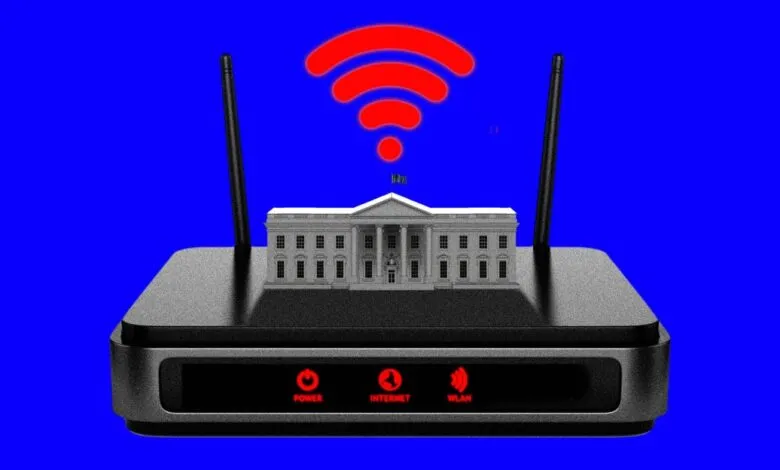
Consider this recent message from an official .gov website during the shutdown: “Senate Democrats have now voted 13 times to not fund the food stamp program… They can continue to hold out for healthcare for illegal aliens and gender mutilation procedures or reopen the government so mothers, babies, and the most vulnerable among us can receive critical nutrition assistance.” Such overtly politicized language on a federal agency site would have been inconceivable in prior administrations, particularly during a crisis. Under what might be termed MAGA WorldStar rules, however, government webpages become tools for political combat, treating high-traffic official sites as free billboards to shock and influence public opinion.
This publication will resume on Tuesday, November 25th. For ongoing political coverage in the interim, visitors can follow the politics section directly through the website’s homepage. If the government reopens by then, it would indeed constitute a Thanksgiving miracle. Until next time, consider this a public service announcement from the editorial team.
(Source: The Verge)