Microsoft aims to optimize Windows 11 for 8GB RAM amid AI era

▼ Summary
– Microsoft has promised to reduce Windows 11’s memory footprint to improve performance on 8GB RAM systems, addressing user complaints about memory inefficiency.
– Pavan Davuluri, President of Windows and Devices, confirmed the company’s commitment to memory optimization across PCs with 8GB or more RAM.
– Microsoft plans to tune WinUI 3 apps and improve efficiency in Chromium and WebView2 components to lower memory consumption.
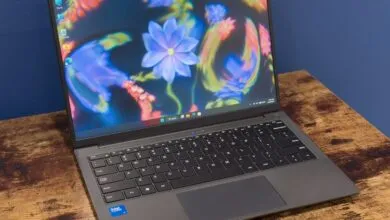
– The article notes that an 8GB RAM Dell XPS 13 running Windows 11 used 70 percent of memory with no apps open, highlighting the scale of the issue.
– The memory shortage is expected to persist until 2028, making 8GB RAM configurations a common standard, with the MacBook Neo cited as a key competitor in this segment.
The ongoing memory shortage has pushed laptop makers back toward 8GB RAM configurations, yet anyone running Windows 11 knows that 16GB has felt like the real entry point for a smooth experience. Now, Microsoft is acknowledging that the AI boom has fundamentally shifted the hardware landscape, and it has pledged to make its operating system far more memory efficient. That commitment could be a game changer for budget-conscious buyers.
With Apple’s MacBook Neo currently dominating the conversation around 8GB machines, Microsoft appears eager to reclaim lost ground in that segment. Pavan Davuluri, President of Windows and Devices, addressed the issue directly on the company’s website, confirming a renewed focus on optimizing the Windows 11 experience. Memory usage has long been a top complaint among users, and with AI applications consuming a significant portion of available RAM supply, consumers on a budget often have no choice but to settle for 8GB laptops.
Power users can tweak startup programs or disable background services to free up resources, but those workarounds only scratch the surface. The real fix has to come from the operating system itself. Microsoft now says it plans to tackle the problem at its core by reining in how much memory Windows consumes before a user even launches an application.
“Memory optimization for 8GB and above. Reducing Windows memory footprint to deliver a fast and responsive Windows experience across the PCs customers use every day,” the company stated.
The issue is easy to demonstrate. On a test machine with 32GB of RAM, simply opening a handful of Chrome tabs pushed memory usage to 40 percent. Some of that is cached data, but the sheer overhead still highlights how much headroom Windows demands by default.
Beyond the base OS, Microsoft also outlined plans to refine WinUI 3, its application framework, so that apps built on it use less memory by design. The company is similarly targeting efficiency gains in Chromium and WebView2 components, both of which are embedded across a wide range of Windows applications. These changes should make 8GB systems noticeably more usable in everyday scenarios.
“Alongside all of these areas, we’ve steadily been introducing several improvements to the memory efficiency of Windows, from taking advantage of a more efficient memory allocator to reduce overhead across apps and components, continued tuning of WinUI 3 so that apps built on it use less memory by design, as well as driving efficiencies across Chromium and WebView2 components when they appear in the operating system,” Microsoft added.
Earlier reports highlighted just how far behind Windows 11 has fallen in this regard. Shortly after the MacBook Neo launch, rivals like Dell’s new XPS 13 were positioned to compete in the affordable notebook space. However, that machine, equipped with 8GB of RAM, was already using 70 percent of its memory before a single application was opened. That kind of baseline consumption makes it clear why Microsoft has a steep hill to climb.
The pressure is on for the company to follow through. With the memory shortage expected to persist until 2028, 8GB configurations are effectively becoming the new 16GB standard. Until supply and demand stabilize, users will have to adapt, and Microsoft’s ability to lighten Windows 11’s footprint will be critical in making that transition bearable.
(Source: Wccftech)