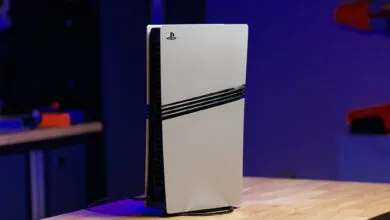
Sony to stop selling PlayStation games on discs by 2028

▼ Summary
– PlayStation’s market dominance makes its move toward digital-only a major shift for the industry.
– This represents a significant step in the decline of physical media for video games.
Sony is reportedly planning to phase out the sale of physical PlayStation games on discs by 2028. This marks a significant pivot toward an all-digital future, especially given that PlayStation commands the largest share of the global console market. The shift would effectively accelerate the decline of physical media in gaming, a transition that has been underway for years.
The company’s move is not entirely surprising. Sony has already released a digital-only version of the PlayStation 5, and many major publishers have been pushing players toward downloads and streaming. By 2028, the expectation is that the majority of new game releases will be available exclusively through the PlayStation Store, with disc-based copies becoming a relic of the past.
This decision carries weight because of PlayStation’s market dominance. When the market leader abandons a format, it often forces retailers, developers, and consumers to adapt quickly. Smaller competitors like Nintendo and Xbox may follow suit, but Sony’s timeline sets the pace for the entire industry.
For collectors and those who value ownership, the news is a blow. Physical discs allow for resale, lending, and long-term preservation without relying on server uptime or account access. A digital-only ecosystem removes those options, locking libraries to a single account and platform. Critics argue this gives publishers more control over pricing and availability, while also cutting out the used game market.
Still, the convenience of digital downloads is undeniable. No trips to the store, no scratched discs, and instant access at launch. Sony is betting that by 2028, enough of its user base will prefer that experience to justify the complete elimination of physical media from its lineup. Whether players are ready for that transition remains to be seen.
(Source: The Washington Post)