Motorola Razr Ultra vs Galaxy Z Flip 7: My clear winner
▼ Summary
– The Motorola Razr Ultra (2026) is praised for its stylish design and fun user experience, featuring a 5,000mAh battery, 68W wired charging, and a smooth cover display that runs all apps without additional software.
– The Samsung Galaxy Z Flip 7 offers a more reliable software experience with One UI 8.5, seven years of OS and security updates, and timely feature delivery, though it requires extra software for full cover display functionality.
– Both phones use capable chipsets (Snapdragon 8 Elite in Razr Ultra, Exynos 2500 in Z Flip 7) and are not aimed at enthusiasts seeking raw horsepower, with the Razr Ultra having 16GB RAM and the Z Flip 7 having 12GB.
– The Z Flip 7 costs hundreds less than the Razr Ultra, making it a more budget-friendly option, while the Razr Ultra’s higher price is justified by the author for its superior enjoyment and flair.
– The author recommends the Razr Ultra for those wanting style and enjoyment, but acknowledges the Z Flip 7 as a solid, well-built device with strong software support and good cameras.
Clamshell foldables have carved out a unique niche in the smartphone world, offering a familiar slab experience that folds down to pocket-friendly size. I have tested nearly every model available, and this year’s showdown between the Motorola Razr Ultra and the Galaxy Z Flip 7 is particularly intriguing. Motorola has raised its prices, which complicates the decision, but both devices offer compelling reasons to buy. Still, when it comes down to what I actually want to carry daily, only one emerges as the clear winner.
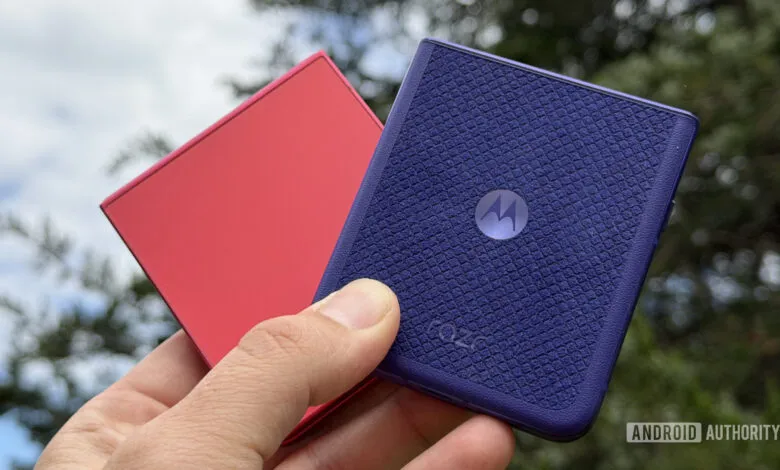
The Motorola Razr Ultra (2026) builds on last year’s success with a confident lifestyle-focused approach. The Orient Blue colorway with its Alcantara finish is a showstopper; strangers have stopped me on the street to ask about it. It is simply the most eye-catching phone on the market. The Galaxy Z Flip 7, by contrast, feels industrial and utilitarian. It is undoubtedly sturdy and reliable, but it lacks the Razr Ultra’s personality.
Some may criticize Motorola for not overhauling the spec sheet, but that misses the point. The Snapdragon 8 Elite paired with 16GB of RAM delivers more than enough power for everyday tasks. Clamshell buyers are not chasing raw horsepower. The real upgrade this year is the 5,000mAh silicon-carbon battery, which provides nearly two days of use on a single charge. When you do need to top off, 68W wired charging gets you back up quickly. That kind of battery life is a far more meaningful quality-of-life improvement than a faster chipset.
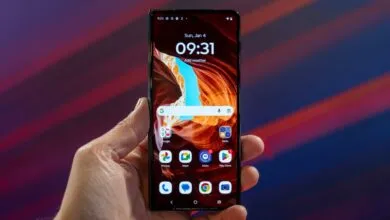
The cover screen experience is another area where Motorola shines. While Samsung has improved the Z Flip 7’s outer display, you still need Good Lock or Multistar to get full app support. The Razr Ultra offers all apps out of the box, with a seamless transition between screens. It is not a device meant for disconnection, but the ability to quickly check Instagram without falling into a 30-minute scroll is a genuine perk.
Motorola’s software is unoffensive, if uninspired, and the company’s promise of three OS upgrades and five years of security patches lags behind the competition. The timeline for updates is also uncertain, given Motorola’s track record. Yet, none of this detracts from the daily enjoyment of using the phone. The cameras, with dual 50MP sensors, produce detailed, saturated images perfect for social media. It is not a versatile flagship camera system, but it fits the Razr Ultra’s theme perfectly.
If the Razr Ultra is about style and fun, the Galaxy Z Flip 7 is about reliability and value. Samsung’s software experience is more polished and predictable. The Z Flip 7 already runs One UI 8.5, and the company offers seven years of OS and security updates, delivered in a timely manner. For users who want the latest Android features and long-term peace of mind, this is the foldable to choose.
The cover screen on the Z Flip 7 has improved significantly. Icons and notifications are no longer a mess, though you still need to tweak settings to get everything just right. The Razr Ultra remains smoother and more intuitive, but the gap has narrowed. Under the hood, the Exynos 2500 avoids the overheating and poor battery life of past Samsung chips. All-day battery is achievable, even without a silicon-carbon cell, and performance is solid, though 12GB of RAM feels a step behind the Razr Ultra’s 16GB.
Price is perhaps the biggest differentiator. The Z Flip 7 costs hundreds less than the Razr Ultra, even before factoring in sales. Motorola will likely offer aggressive discounts later in the year, but the Razr Ultra will still command a premium. For me, the extra cost is worth it for a phone I genuinely enjoy using. For many buyers, the Z Flip 7 represents smarter value.
Both phones are excellent. The Galaxy Z Flip 7 is well-built, feature-rich, and backed by outstanding software support. Its displays are gorgeous, and it takes good photos. But if you want a flip phone with flair, the Motorola Razr Ultra is the one to beat. The price is frustrating, and Motorola has plenty to prove with its software commitments, but I cannot put a price on truly loving the phone I carry every day. That feeling is rarer than it should be in 2026.
(Source: Android Authority)