Windows 11 tests adjustable taskbar and resizable Start menu
▼ Summary
– Microsoft is testing a Windows 11 update that lets users reposition the taskbar to the bottom, top, left, or right side of the screen.
– The update allows adjusting taskbar icon alignment and accessing the Start menu from any taskbar position, with an option for a shorter taskbar.
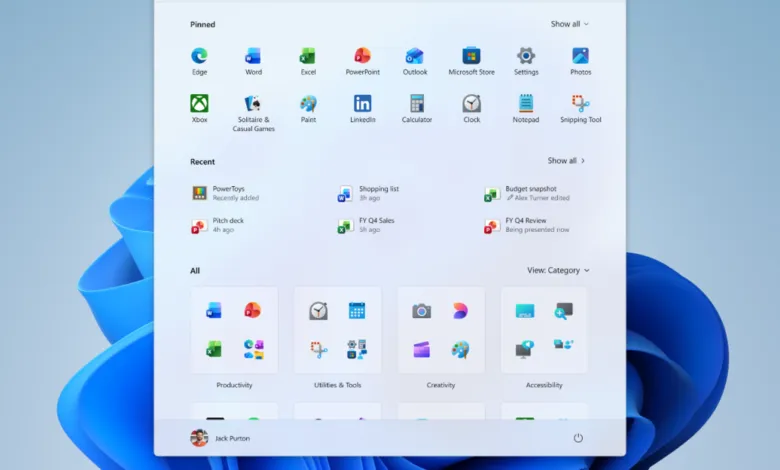
– Users can choose between a “Small” or “Large” Start menu, and toggle visibility for the “Pinned,” “Recommended,” and “All” sections.
– The “Recommended” section will be renamed to “Recent” to better reflect its content, and users can hide their name and profile picture from the Start menu.
– These features are rolling out to Windows 11 Insiders in the Experimental channel over the coming weeks.
Microsoft’s latest Windows 11 test build introduces a movable taskbar and a resizable Start menu, giving users more control over their desktop layout. The update is currently rolling out to Windows 11 Insiders in the Experimental channel, allowing you to place the taskbar on the bottom, top, left, or right side of the screen.
The company first hinted at this flexible taskbar in March as part of a broader push to rebuild user trust. You can now adjust the alignment of icons inside the taskbar and open the Start menu drawer from its new position. For devices with smaller displays, a shorter taskbar option is also available. In addition, users can toggle between a “Small” or “Large” Start menu to better suit their preferences.
Customization of the Start menu itself is getting a boost. New toggles will let you show or hide the “Pinned,” “Recommended,” and “All” sections. Microsoft is also renaming the “Recommended” section to “Recent” to “better reflect what the section primarily shows, including recently installed apps and recently used files.” If you’re sharing your screen or giving a presentation, you can now hide your name and profile picture from the Start menu as well.
These features will roll out over the coming weeks to the Experimental Channel. “We have talked about earning trust through steady and visible progress,” says Microsoft design director Diego Baca in the blog post. “Start and taskbar are where that trust is tested most, every time you sit down at your PC.”
(Source: The Verge)