How vibe coding is boosting SEO performance
▼ Summary
– Vibe coding allows SEOs to build tools like calculators and widgets without developer dependency, enabling faster execution and testing of ideas.
– User persona content can be presented with interactive tabbed components that surface intent-specific information, moving beyond text-heavy approaches.
– A new “Tools” category with simple utilities (e.g., calculators, countdown timers) generated over 5,000 incremental clicks in two months, even for out-of-season pages.
– A financial support eligibility tool ranked on the first page for a high-volume term within three days, demonstrating that solving user problems effectively can accelerate SEO results.
– SEO success now depends on building interactive search experiences (e.g., dynamic tables, eligibility calculators) rather than relying solely on text-based content.
SEO was once held hostage by one thing above all else: dependency. You needed developers, roadmaps, and the dreaded “maybe next quarter” to get anything done. Want a new page template, a calculator, a comparison widget, or even a simple interactive component? You had to ask, wait, and settle for less. That era is rapidly ending.
If you work in SEO or GEO today and haven’t started learning how to vibe code, you are actively limiting your career impact.
Vibe coding flipped the power dynamic in SEO
Not long ago, building a tool like a calculator or an interactive widget meant writing tickets, defining specs, and waiting for a development cycle. Today, using AI, I have personally built dozens of mini apps, tools, and UI components without a single developer’s involvement. Some of these tools are small. Some are admittedly ugly but highly effective. And some now drive thousands of organic sessions every single month.
Entire pages built around a single vibe-coded tool are now outperforming traditional, text-heavy competitors in search rankings. More importantly, I have brought this mindset to my SEO team. They are now building their own tools to hit our search goals. That shift alone changes everything.
SEO teams can now move faster, test ideas instantly, and reserve developers for real engineering work like new templates, infrastructure, and scaling. There is also a deep satisfaction in building a tool yourself, publishing it, and watching it attract traffic month after month. You do not need to build fancy things. Just things that get the job done.
Stop talking about user personas. Start talking to them.
Everyone agrees on the theory of user personas: identify them, understand their pain points, and create content that addresses those needs. What almost no one explains is how to actually present that information. Historically, SEO handled this with generic text: “If you’re a parent…” or “For families…” or “Business travelers should consider…” That approach is already obsolete.
Today, we can let users self-identify and surface only the information that matters to them. Consider one example from a brand I manage: a vibe-coded tabbed component. Each tab represents a different user persona. Clicking a tab reveals persona-specific content. For airport transfers in Majorca, a “family” persona does not care about the same things as a solo traveler. They care about vehicle safety, child seats, family-friendly routes, vehicle size, and pricing. That content appears only when the Family tab is selected.
From an SEO and GEO standpoint, those persona pain points were sourced directly from Google Search Console and query fan-out analysis. The component was then vibe-coded and placed where intent needed to be satisfied immediately. This aligns perfectly with how AI platforms already structure answers: segmented, persona-aware, and intent-first.
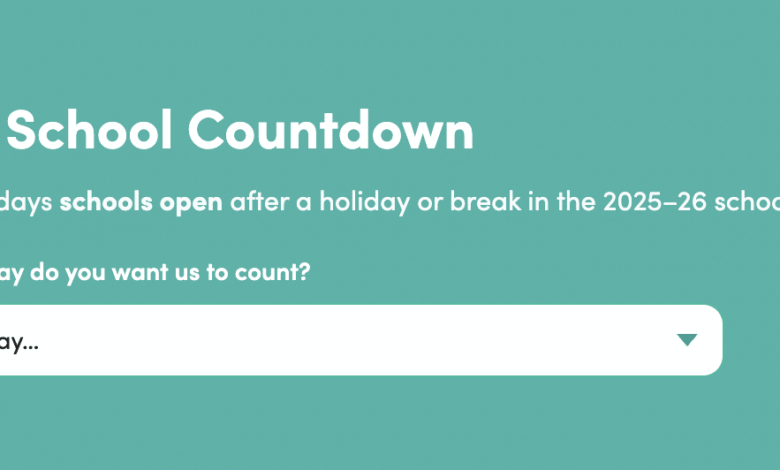
On one personal project, we launched a brand-new Tools category with ten pages featuring simple tools like calculators, checklists, calendars, countdown timers, and AI generators. Each page leads with the tool and uses supporting components to answer sub-intents. The result? More than 5,000 incremental clicks in two months, with most of those pages also being out of season.
UI is now a ranking lever
SEOs have never been more capable. The only real limitation left is creativity. One of the most underrated SEO advantages today is how information is visually presented. Text is cheap. Everyone can produce it. UI that answers intent instantly is not.
I have seen two calculator pages add 10,000 monthly organic sessions. One tool page rank in the top three within days for a high-volume government query. Multiple seasonal pages rank off-season purely because the UI was better. When competitors list information, we let users interact with it. Eligibility calculators, countdown timers, dynamic tables, and visual comparisons. These pages still include text, but the text supports the tool, not the other way around.
‘SEO takes time’ , except when it doesn’t
One page we published targeted a Greek government school financial support program. It had a high-volume head term, dozens of long-tail queries, and extremely text-heavy competition. We built a financial support eligibility tool, a transparent explanation of the algorithm logic behind the tool for E-E-A-T, common rejection mistakes parents made, historical program changes, and a step-by-step application flow. We tagged the tool as a WebApplication, implemented HowTo schema for the process, and properly marked up the FAQs.
Three days after publishing, the page was already ranking on the first page for the main term and generating about 100 clicks. Sometimes SEO really does not take that long if you solve the problem better than anyone else.
Some tools are built purely for traffic. Others are designed to become linkable digital assets. A pregnancy due date calculator, a baby name generator, or a comparison table based on TripAdvisor data is not just a page. It is a potential PR campaign. When a digital asset solves a real pain point, looks modern, answers intent better than SERP features, and has clear PR angles, that is where SEO, PR, and branding start to collide. That is when things get really interesting.
Finding tool-page opportunities is easier than ever
With MCP servers from SEO tools, you can now surface tool ideas directly from search demand without leaving the chat, assess difficulty instantly, and launch faster than ever. I have built and launched multiple tool pages this way, and the speed difference compared with traditional workflows is massive. We are entering a period where ideation, validation, and execution can all happen in days, not months.
The big shift
SEO is no longer about who can write the longest article, rephrase the same information better, or game templates. It is about who answers intent fastest, removes friction, and builds search experiences instead of documents. Vibe coding changed who gets to build. And right now, the people embracing it are pulling away fast. If you want to win in modern SEO and GEO, build tools, build components, and build search experiences. Text alone is not enough anymore. And honestly, that is a very good thing.
(Source: Search Engine Land)