Brain Implant for Depression Set for Human Testing
▼ Summary
– Motif Neurotech received FDA approval for a human study of a blueberry-sized brain implant that treats depression via electrical stimulation.
– The device targets the central executive network, which is underactive in major depressive disorder, to improve high-level cognitive functions.
– Unlike other brain-computer interfaces for paralysis, Motif’s implant aims to help patients with treatment-resistant depression who do not respond to medication.
– The implant is placed in the skull above the brain’s protective membrane in a 20-minute outpatient procedure and is charged using a wireless baseball cap.
– Nearly 3 million U.S. adults with major depressive disorder have treatment-resistant depression, for which this device offers a potential home-based therapy.
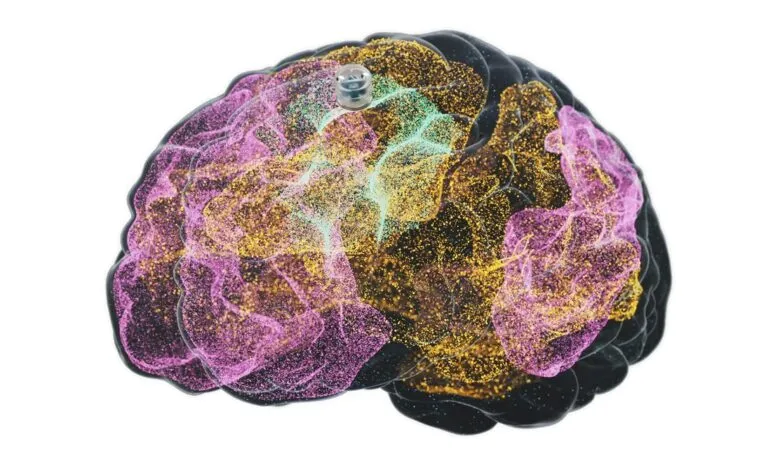
The latest brain-computer interface designed to treat severe depression is moving closer to human trials. Motif Neurotech announced on Monday that the U.S. Food and Drug Administration has approved a clinical study for its tiny, blueberry-sized brain implant. The device sits inside the skull and delivers targeted electrical stimulation to help alleviate depressive symptoms.
Founded in 2022 and based in Houston, Motif is part of a fast-growing sector focused on technology that can read and interpret brain signals. While companies like Elon Musk’s Neuralink, Paradromics, and Synchron are building devices to help paralyzed individuals communicate or control computers, Motif is pursuing a different goal: easing depression in patients who have not responded to medication.
The implant is placed just above the dura, the protective membrane covering the brain. It targets the central executive network, a region responsible for high-level cognitive functions that tends to be underactive in people with major depressive disorder. By emitting specific patterns of stimulation, the device aims to reactivate this network.
Motif’s system allows patients to receive therapeutic brain stimulation from home. “Through frequent electrical stimulation, we think we can drive that neuroplasticity that creates stronger connectivity within the central executive network for patients with depression, so that they can get out of bed in the morning, call their friends, go to the gym,” said Jacob Robinson, Motif’s cofounder and CEO.
Electrical stimulation has a long history in depression treatment. Electroconvulsive therapy, often called “shock” therapy, has been used since the 1930s and remains an option for patients who do not benefit from antidepressants. Deep brain stimulation, which involves surgically implanting electrodes deeper into the brain, is still experimental and not FDA approved. A milder form called transcranial magnetic stimulation (TMS) received FDA approval in 2008. While TMS can be highly effective, it typically requires a demanding schedule of five treatments per week for six weeks.
A 2021 study found that nearly 9 million adults in the United States were undergoing treatment for major depressive disorder over a 12-month period. Of those, almost 3 million had treatment-resistant depression, meaning their symptoms did not improve after at least two different antidepressant medications.
Motif’s implant can be placed during a 20-minute outpatient procedure that does not require traditional brain surgery. It is powered by a wireless magnetoelectric technology Robinson developed while at Rice University. Patients recharge the device by wearing a baseball cap that delivers the necessary energy while they receive stimulation.
(Source: Wired)