Windows K2 Explained: Microsoft’s Plan to Revive Windows 11
▼ Summary
– Microsoft’s Windows K2 initiative aims to address user complaints about Windows 11, including excessive AI features, bloat, performance issues, and reliability problems, with the goal of making the OS a platform users are proud to use by 2026–2027.
– K2 is an ongoing effort focused on three core pillars—Performance, Craft, and Reliability—and includes a cultural shift within Microsoft teams to prioritize quality over fast feature shipping.
– Performance improvements target File Explorer, gaming (to compete with SteamOS), Windows Update (aiming for monthly restarts), and debloating to reduce memory use and improve performance on low-end and high-end hardware.
– Craft improvements include restoring fan-favorite features like resizable Taskbar, rebuilding the Start menu with WinUI 3 for up to 60% faster performance, and removing ads from the Start menu while reducing MSN prominence in the Widgets Board.
– A fourth pillar, Community, involves rebuilding user enthusiasm through Windows Insider meetups and more direct team engagement on social media and forums to respond to feedback.
In March, Windows president Pavan Davuluri publicly acknowledged the deep frustrations surrounding Windows 11, admitting that a relentless push into AI and a growing sense of “enshittification” had eroded user trust. The operating system, many felt, had neglected its core duties of performance and reliability. But while external statements often mask internal hesitation, sources confirm that Microsoft is now genuinely committed to turning the tide. By the end of 2026 and into 2027, the company aims to transform Windows 11 into a platform users can be proud of.
The engine behind this transformation is an internal initiative codenamed Windows K2. Assembled in the second half of last year, this project targets the most persistent complaints plaguing Windows 11 today. From an overload of AI features and system bloat to nagging performance issues and reliability failures, K2 is designed to tackle them all. Crucially, this is not a single, dedicated OS release. Instead, Windows K2 is an ongoing initiative focused on ensuring consistent, high-quality standards across current and future versions, building an OS that never stops refining its foundational elements.
The initiative rests on three core pillars: Performance, Craft, and Reliability. These are the bedrock of the Windows experience. If any one of them weakens, the entire product suffers. With K2, Microsoft is intensively addressing user and Insider feedback, analyzing telemetry data, and conducting customer focus groups to keep these pillars strong.
A significant cultural shift is also underway. In the past, Windows was obsessed with agility, shipping new features as fast as possible. This speed often came at the cost of quality, leaving users frustrated with an ever-changing, increasingly problematic OS. Now, the obsession with speed has been replaced by an obsession with quality. Sources indicate that new features cannot enter public preview builds until they meet a much higher internal quality bar. There is also a lesser-known fourth pillar: Community. K2 aims to rebuild a loyal fanbase by bringing back Windows Insider meetups and making Windows team members more visible on social media and forums to engage directly with feedback.
Performance is a top priority. Microsoft acknowledges that performance has slipped in apps like File Explorer, games, and system UI elements such as context menus. Windows 10 often outperforms Windows 11 in benchmarks, and the company is determined to change that. For gaming, Microsoft now views SteamOS as the benchmark. Within the next year or two, foundational changes are expected to make Windows gaming performance truly competitive on identical hardware. File Explorer is also set for major improvements, including faster file navigation and an “instant filename search” capability, using a third-party app called File Pilot as its benchmark.
Windows Update will see improvements aimed at making a restart necessary only once a month. Under-the-hood changes will make updates more seamless, such as only updating display and audio drivers during restarts instead of active use. There is also a concerted effort to debloat Windows 11, minimizing memory use at idle and reducing the overall OS footprint so it runs better on low-end hardware and smoother on high-end systems and gaming handhelds.
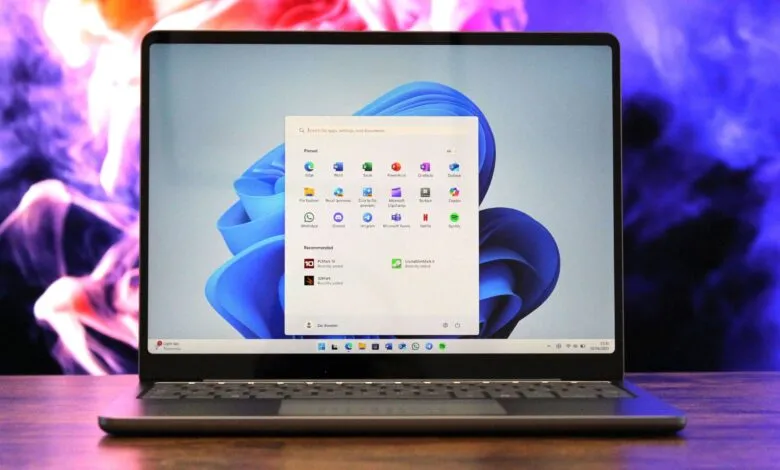
Craft and UI are equally critical. K2 is addressing user experience complaints and bringing back fan-favorite features, such as the ability to move and resize the Taskbar, one of the most requested features since Windows 11’s launch. The initiative is pushing teams to lean more heavily on WinUI 3, Microsoft’s in-house Windows UI framework. A new System Compositor for WinUI 3 is in development, designed to reduce latency and memory overhead, ensuring elements like the Start menu and Taskbar remain responsive even under heavy load. This new compositor will enable a rebuilt Start menu that could be up to 60% faster and more responsive, with more customization options like resizing and hiding sections.
K2 also tackles the “enshittification” issue head-on. Microsoft is planning to remove ads from the Start menu, a significant financial decision, and will stop MSN from appearing by default in the Widgets Board, prioritizing the Widgets Panel instead.
Windows K2 has no completion date. It is an evolving, permanent definition of how Windows should be built and what it should prioritize. The goal is to fix Windows 11 and maintain a platform people are proud to use, consistently. This is a positive movement that the platform desperately needs, positioning Windows as a viable competitor well into the future. Changes and improvements are already beginning to ship, with many more arriving in preview over the summer.
(Source: Windows Central)