Aloe Blacc’s Biotech Role Values Expertise Over Fame
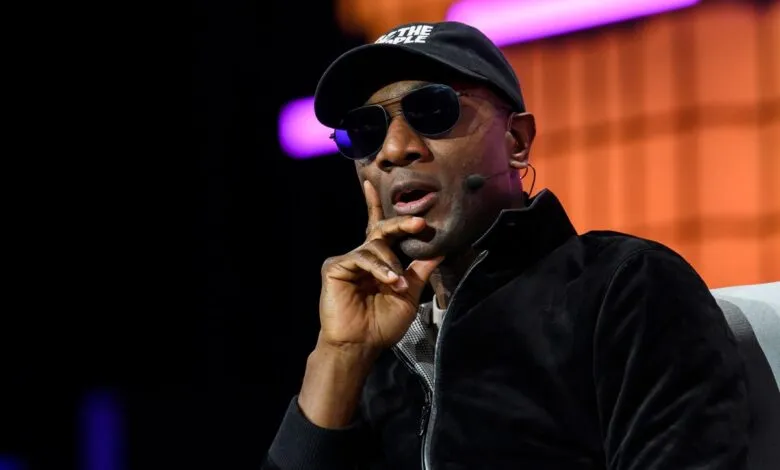
▼ Summary
– After contracting COVID despite vaccination, singer Aloe Blacc attempted to fund research but discovered philanthropy alone cannot advance biotech through regulatory and commercial hurdles.
– He is now developing a cancer drug platform targeting pancreatic cancer, which has a 90% mortality rate, without initial outside funding.
– Blacc is deliberately delaying fundraising from his network until he has peer-reviewed research to support his project’s case.
– His shift from investor to builder is a central topic in his interview on TechCrunch’s Equity podcast.
– In the interview, he also discusses observing AI’s simultaneous impact on both the biotech and music industries.
When Grammy-nominated artist Aloe Blacc contracted COVID-19 after receiving his vaccinations, his personal experience sparked a professional mission. He sought to fund the development of a more effective solution, only to discover the complex realities of biotech innovation. Writing a check is insufficient; the path requires a detailed commercialization plan, and philanthropic gifts alone cannot navigate clinical trials or secure intellectual property licenses from universities. This education has led Blacc to a hands-on approach, where he is now personally developing a cancer drug platform aimed at pancreatic cancer, a disease with a devastating 90% mortality rate.
Rather than immediately leveraging his celebrity network for funding, Blacc is taking a deliberate, evidence-based path. He is intentionally bootstrapping the early research to generate peer-reviewed data that will substantiate his platform’s potential. His strategy underscores a critical principle in deep science: expertise and validated data ultimately carry more weight than fame or financial connections when convincing serious partners and regulators.
Blacc’s journey from creator to builder highlights a broader shift. He represents a growing number of high-profile individuals who are moving beyond passive investment to actively engage in company formation and complex problem-solving. His parallel observations on artificial intelligence are particularly insightful, as he witnesses its transformative impact on both the biotechnology and music industries. He notes how AI accelerates drug discovery by modeling biological interactions, while simultaneously disrupting creative fields through generative tools, raising profound questions about ownership and artistic value.
This dual perspective allows him to identify who the real winners are in these technological upheavals. Success in biotech, he suggests, will favor those who combine scientific rigor with strategic patience, building a foundation of credible research before seeking capital. In creative fields, the advantage may go to those who can harness AI as a collaborative tool rather than viewing it as a threat. Blacc’s story is ultimately one of translation, applying the discipline and creativity from his music career to the meticulous world of therapeutic development, proving that substantive contribution requires deep immersion.
(Source: TechCrunch)