SwitchBot’s robot now has a rechargeable battery
▼ Summary
– SwitchBot has launched a new rechargeable version of its button-pressing robot, while continuing to sell the original model.
– The new Bot functions identically to the original, sticking to switches and using a small arm to press them.
– Its key upgrade is a built-in, rechargeable 370mAh battery with a USB-C port, replacing the need for disposable batteries.
– This rechargeable design is presented as a more sustainable and eco-friendly alternative.
– The tradeoff is a significantly shorter battery life of about six months, compared to up to 600 days for the standard version.
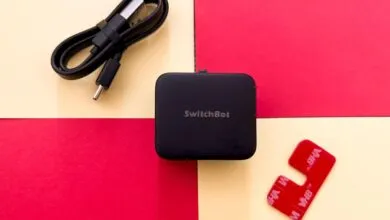
A decade after its debut, the device that put SwitchBot on the map is getting a significant internal upgrade. The company has unveiled a new version of its signature button-pressing robot, now equipped with a rechargeable battery. This model, the SwitchBot Bot Rechargeable, maintains the exact functionality of the original, which will remain on sale, but swaps out disposable batteries for a more sustainable power source.
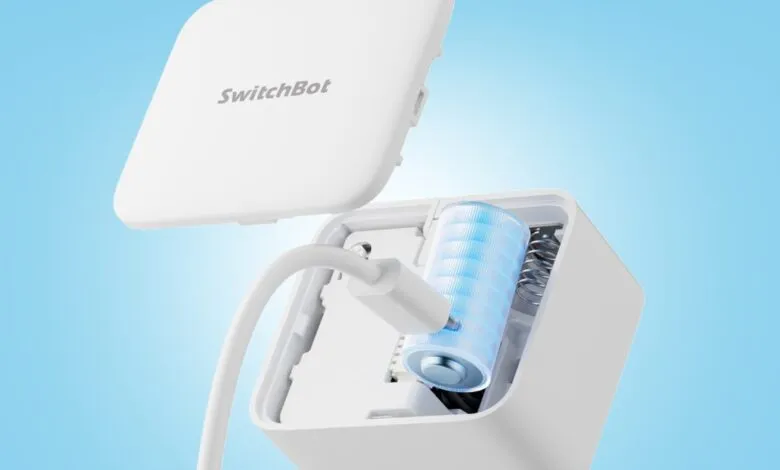
The core concept remains elegantly simple. This small, wirelessly controlled gadget attaches directly to a standard button or rocker switch. When activated via its app, a tiny mechanical arm extends to physically press the surface, automating everything from light switches to coffee makers. Installation is as straightforward as ever, requiring only an adhesive backing. To access the battery, users simply remove a front panel without detaching the entire unit. The key difference is what they find inside: a built-in 370mAh rechargeable battery featuring a convenient USB-C port on the side for easy recharging.
This shift represents a clear move toward reducing electronic waste, offering a potentially more eco-friendly alternative to the constant cycle of disposable batteries. However, this environmental benefit comes with a notable compromise in performance. The original SwitchBot Bot boasts an impressive estimated battery life of up to 600 days, assuming two activations daily. In contrast, the rechargeable model’s endurance is considerably shorter, rated for approximately six months based on just a single press per day. For users prioritizing longevity and minimal maintenance, the standard version may still hold an advantage, while those focused on sustainability might find the trade-off acceptable for the convenience of USB-C recharging.
(Source: The Verge)