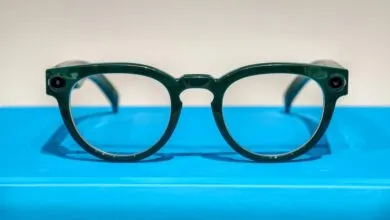
New Smart Glasses Challenge Anti-Meta Leaders
▼ Summary
– A new alternative to camera-equipped smart glasses is being introduced.
– This product is designed for users who do not prefer traditional smart glasses with cameras.
– The device will be widely available for consumer use.
– It offers a different approach to wearable technology by omitting the camera feature.
– The announcement positions it as a fresh option in the personal tech market.
A fresh alternative is arriving for those who prefer their eyewear without integrated cameras. This new product directly challenges the approach of prominent figures who have publicly opposed Meta’s vision for wearable technology. By focusing on audio, connectivity, and a display that doesn’t record video, these smart glasses aim to deliver a useful augmented reality experience while addressing core privacy concerns. The design philosophy centers on enhancing daily life through subtle notifications and information, not by capturing the user’s surroundings. This creates a distinct category separate from devices built for photography or constant environmental scanning.
The development signals a growing segmentation in the wearable tech market. Consumers now have clearer choices between full-featured AR glasses with comprehensive sensors and more minimalist, audio-focused wearables. This shift responds to a demonstrated demand for technology that integrates seamlessly without feeling intrusive or raising ethical questions about surveillance. The success of earlier audio-only wearables proved there was substantial interest in this hands-free, screenless format, paving the way for this new hybrid that adds a visual layer without the camera.
Industry observers note the strategic timing of this launch. It enters a marketplace where discussion about data collection and digital ethics is increasingly mainstream. By offering a privacy-first wearable, the company is not just selling a device, it is aligning with a broader cultural movement skeptical of pervasive data harvesting. The product’s specifications suggest a focus on user comfort and all-day battery life, practical considerations often overshadowed by flashier features in more complex headsets.
This approach may attract professionals, students, and tech enthusiasts who want connectivity without compromise. The glasses are positioned as a tool for productivity and accessibility, providing real-time captions, translations, or navigation prompts directly in the user’s field of view. This assistive technology angle broadens its appeal beyond early adopters to include anyone seeking a discreet digital aid. The move underscores an important industry lesson: innovation in wearable computing isn’t solely about adding more sensors, it’s about thoughtful integration that respects user boundaries and serves a defined purpose.
(Source: Gizmodo.com)