NASA Clears iPhone 17 Pro Max for Artemis II Astronauts
▼ Summary
– NASA has provided each Artemis II crew member with an iPhone 17 Pro Max to take photos and videos during the mission.
– The iPhones cannot connect to the internet or use Bluetooth, limiting their function to capturing media.
– Apple stated it was not involved in NASA’s approval process, which marked the iPhone’s first full qualification for extended use in space.
– NASA’s safety qualification process involved analyzing potential hazards like shattering glass and planning mitigations, such as using Velcro mounts.
– The Artemis II crew also has access to other cameras, including GoPro and Nikon models, for additional photography.
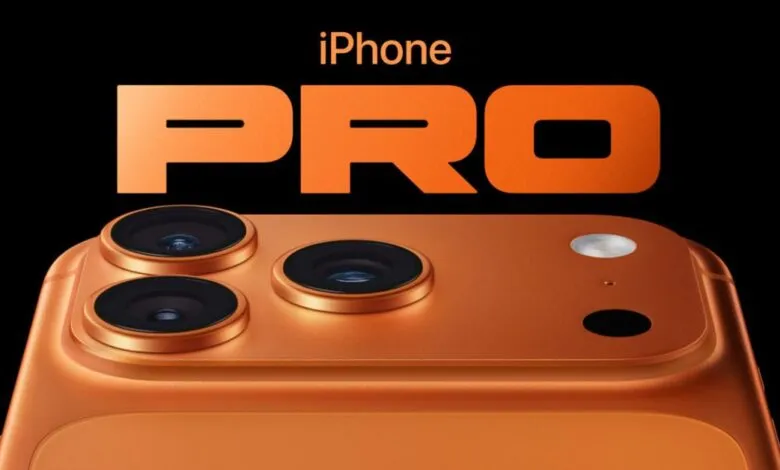
Four iPhone 17 Pro Max devices are currently traveling toward the moon aboard the Artemis II spacecraft, a development that follows NASA’s earlier announcement permitting crew members to bring the latest smartphones. While not the first iPhone to reach space, this mission represents a significant milestone, as each astronaut received a personal device specifically for capturing photos and videos during the journey. Apple clarified it was not directly involved in the certification process but noted this marks the first time an iPhone has been fully qualified for extended use in orbit and on deep-space missions.
These smartphones serve a highly specialized, limited function. NASA has confirmed the iPhones cannot connect to the internet or use Bluetooth, effectively operating as advanced, isolated cameras. Gaining flight approval was a rigorous undertaking, according to a report detailing the agency’s standard hardware safety process. This multi-phase procedure involves introducing the device to a safety panel, identifying potential hazards like moving parts or shatterable materials, developing a mitigation plan, and finally proving that plan works.
The Ceramic Shield 2 front glass and standard Ceramic Shield back on the iPhone 17 Pro Max, which Apple claims is tougher than any other smartphone glass, were key considerations. However, durability was just one factor. NASA also had to account for the unique environment inside the Orion capsule, where microgravity creates conditions vastly different from those on Earth. The agency explored using Velcro to mount the phones securely, and at least one device was stowed in a leg pocket on an astronaut’s flight suit prior to launch.
This integration of consumer technology creates a powerful, relatable connection to the mission. The familiar iPhone interface will provide a lens through which the public can experience the lunar journey, making the profound achievement feel more accessible. Of course, these smartphones are not the only imaging tools onboard. The crew also has access to four GoPro Hero 11 cameras and two professional Nikon D5 DSLR bodies, one of which has already captured a breathtaking image of Earth illuminated by the full moon.
Whether the astronauts’ iPhone footage will match the stunning quality of that professional equipment is yet to be seen, but their presence alone signifies a new chapter in documenting human spaceflight.
(Source: 9to5Mac)