Apple Marks 50 Years Since Its Founding as a Startup
▼ Summary
– Apple is celebrating its 50th anniversary, and its story is surrounded by popular myths, such as an unverified tale about Steve Jobs demanding a smaller iPod.
– The company cultivated a countercultural, rebellious image from its start, symbolized by its “Think Different” campaign and a pirate flag flown at its office.
– Apple’s early products, like the Macintosh, helped democratize computing, and its later innovations, including the App Store, launched entire new industries.
– There are significant societal concerns linked to Apple’s technology, such as increased screen time correlating with isolation and depression among young people.
– Despite criticism over corporate behavior, such as its CEO’s political engagements, Apple often avoids the level of consumer backlash faced by other companies.
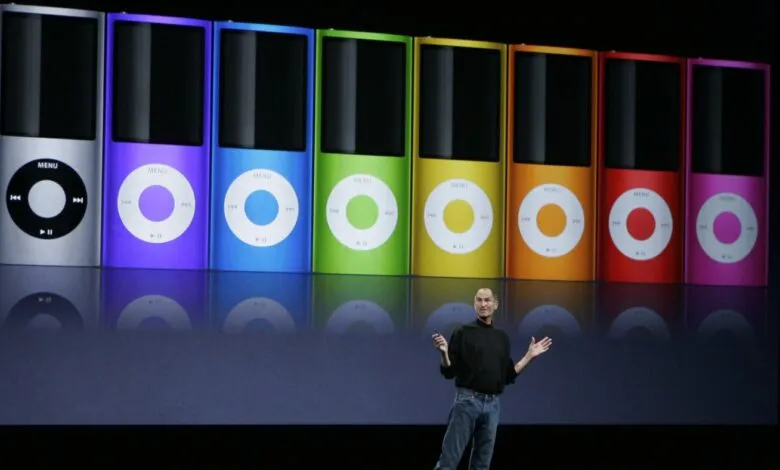
Fifty years ago, a company was founded that would grow from a garage startup into one of the world’s most influential technology corporations. The journey of Apple Inc. is a narrative filled with as much legend as fact, a testament to its unique hold on the cultural imagination. In a new book, Apple: The First 50 Years, author David Pogue recounts a famous anecdote about Steve Jobs demanding a smaller iPod prototype. The story goes that Jobs threw a device into a fish tank, observed air bubbles escaping, and declared there was still room for improvement. Pogue clarifies, however, that this iconic tale is pure Apple mythology, one of many that surround the company’s history.
From fan sites to a Grammy-winning opera, the Apple story is relentlessly documented. Tech commentator Jason Snell argues the veracity of individual stories is less important than the overarching narrative Apple crafted for itself. The company positioned itself as a countercultural force, a mission famously encapsulated in its 1997 “Think Different” campaign celebrating rebels and misfits. This ethos, according to Computer History Museum curator Hansen Hsu, was genuinely embedded in its early products and culture, symbolized by the pirate flag flown over its Cupertino office. By making computers like the 1984 Macintosh accessible for personal creativity, Apple helped democratize technology and defined itself through iconoclasm and individual expression.
This identity propelled its launch of culture-upending technologies like the iPod, iPhone, and the App Store. Pogue notes the App Store alone launched entire industries, enabling platforms like Uber and Airbnb. Yet this explosion of connectivity brought significant downsides. Pogue links the rise in constant screen time, particularly after streaming became ubiquitous around 2015, to increased feelings of isolation and depression among young people. Current CEO Tim Cook has acknowledged these concerns, stating in a recent interview his opposition to mindless scrolling and a preference for human interaction over smartphone screens.
Despite its revolutionary self-image, Apple’s modern corporate behavior does not always align with “thinking different.” As one of the planet’s most profitable companies, it faces criticism for actions like Cook’s $1 million donation to former President Trump’s inauguration. When questioned, Cook emphasized a focus on policy over politics. Yet Apple often seems to enjoy a “Teflon” effect, avoiding the sustained consumer backlash that hits other corporations for unpopular stances. Critics note there are few widespread calls to cancel Apple services compared to reactions against other entertainment or tech giants.
For many creators, the company’s foundational mythos remains powerfully resonant. Visual artist and technologist Kyt Janae, who uses Apple products for work on major projects like Rick and Morty, acknowledges Apple is a shareholder-driven megacorporation. However, the brand’s enduring association with creativity and risk-taking overrides other concerns. This deep loyalty underscores how Apple’s carefully cultivated identity, a blend of verified history and potent legend, continues to define its legacy half a century after its founding.
(Source: NPR)