Android Automotive Evolves Into Car’s Central Brain
▼ Summary
– Google has expanded its Android Automotive OS from just infotainment to also manage non-safety vehicle systems like climate and seating.
– The company aims to solve industry software fragmentation by becoming a central, foundational software provider for automakers.
– Google promises this system will deliver a more cohesive driver experience with faster updates and proactive features like maintenance alerts.
– For automakers, the system is designed to lower software development costs and allow them to focus more on their brand and customer experience.
– Google is competing with Apple, which is also advancing its CarPlay system to control more core vehicle functions beyond simple phone mirroring.
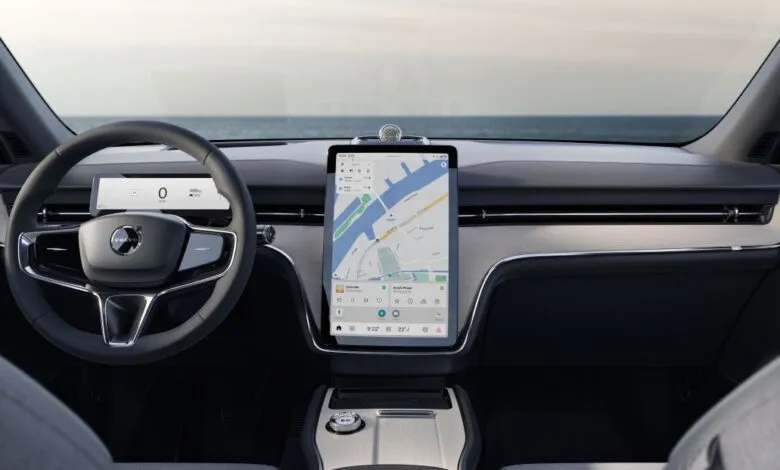
Google has unveiled a significant expansion of its Android Automotive operating system, moving it beyond the dashboard screen to become the central software platform for modern vehicles. This evolution targets the software-defined vehicle architecture, where Google’s open-source platform will now manage a car’s non-safety critical computing functions. The automotive industry, often described as putting “computers on wheels,” currently relies on a fragmented patchwork of software from numerous suppliers. Google aims to unify this landscape by providing a standardized open infrastructure, positioning itself as a foundational software provider for the entire sector.
According to the company, this initiative goes beyond market dominance; it is designed to enhance the driver experience. Matt Crowley, Android Automotive’s group product manager, stated that the new Android Automotive OS will create a more cohesive in-car environment and accelerate the delivery of new features to consumers. He emphasized that vehicles will transform into a seamless extension of a user’s digital life, enabled by deeply integrated voice systems and proactive maintenance reminders.
The technical promise includes faster over-the-air updates, advanced voice assistant capabilities, and intelligent vehicle health notifications. The system’s scope will broaden from traditional infotainment to govern a unified ecosystem for comfort and convenience features. This encompasses climate control systems, interior lighting, seat adjustments, remote cabin conditioning, and personalized driver profiles managed through digital keys.
For automakers, the appeal lies in reduced development costs and greater creative freedom. Google provides the core software foundation and a common programming framework, allowing manufacturers to concentrate on their unique branding and customer experiences. This shift enables car companies to innovate on top of a stable, standardized platform rather than building complex software stacks from scratch.
The platform is already gaining industry traction through partnerships with firms like the Renault Group and chipmaker Qualcomm. Several major automakers, including Volvo, Polestar, General Motors, Nissan, and Honda, currently utilize versions of Android Automotive for infotainment, paving the way for this broader adoption.
This strategic move intensifies the competition with Apple in the automotive software arena. While most carmakers already support phone-projection systems like Apple CarPlay and Android Auto, both tech giants are pushing for deeper vehicle integration. Apple recently launched its next-generation CarPlay, which assumes control over core functions such as climate and audio systems in brands like Aston Martin and Porsche. Google’s latest announcement directly responds to this trend, aiming to embed its operating system at the very heart of the vehicle’s computing architecture.
(Source: The Verge)