Meta Quest’s Horizon Worlds Is Shutting Down
▼ Summary
– Meta is shutting down the Horizon Worlds VR experience on Quest headsets, with removal from the store on March 31 and a full shutdown on June 15, after which it will only be available as a mobile platform.
– This decision follows Meta’s widespread cuts to its Reality Labs division in February, which included laying off 10% of its VR department employees.
– Horizon Worlds was Meta’s flagship metaverse project, representing such a major commitment that the company rebranded from Facebook to Meta in support of its VR endeavors.
– The service was unpopular and widely mocked, struggling with technical issues like legless avatars and failing to attract a stable, profitable user base despite billions in investment and high-profile partnerships.
– Analysts attribute the shutdown to Horizon Worlds being a risky bet that never solved a real consumer problem, relying on VR hardware most people do not own or want to use for extended periods.
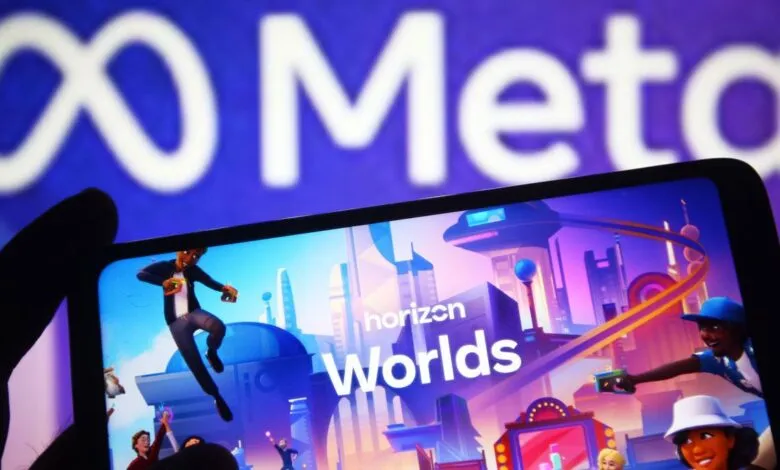
The era of Meta’s flagship virtual reality platform, Horizon Worlds, is coming to a definitive close. The company has announced it will shut down the social VR experience on its Quest headsets, with the app disappearing from the Quest Store on March 31. The virtual worlds themselves will go completely dark on June 15, after which the service will only exist as a mobile application. This decision results in the removal of Horizon-specific benefits, including Meta Credits, avatar items, and various digital purchases made within the platform.
This shutdown follows significant restructuring within Meta’s Reality Labs division, which saw substantial layoffs earlier this year. Horizon Worlds represented the company’s most ambitious push to realize its vision of a comprehensive metaverse, a concept so central to its strategy that it prompted the corporate rebranding from Facebook to Meta. Despite this immense commitment and billions in investment, the platform struggled to achieve mainstream traction or a positive reputation from its inception.
The service faced widespread criticism and mockery, particularly concerning the limited and unsettling design of its legless avatars, which became an internet meme epitomized by CEO Mark Zuckerberg’s own virtual likeness. Furthermore, Horizon Worlds failed to cultivate a stable or lucrative user base, often attracting a younger audience whose behavior did not translate to a sustainable commercial environment. Meta attempted to boost engagement through high-profile partnerships and virtual concerts featuring major artists, but these efforts could not elevate the platform above more organically popular alternatives like VRChat.
Industry analysts view this move as a predictable outcome. “Meta’s pivot on Horizon Worlds is the predicted and inevitable outcome of a big, risky bet that never found an audience,” noted Mike Proulx, a vice president and research director at Forrester. He pointed to the fundamental challenge of building a mass social platform dependent on expensive, niche hardware that lacks broad, prolonged appeal. This strategic retreat coincides with Meta’s pronounced shift in focus toward artificial intelligence initiatives and hardware like its Ray-Ban smart glasses, scaling back its once-aggressive metaverse investments across the board.
(Source: Wired)