Samsung’s Galaxy S26 Plan Backfires, Price Hike Still Looms
▼ Summary
– The Galaxy S26 series was expected to feature significant upgrades, but Samsung reportedly scrapped many original plans to avoid a price hike after Apple’s iPhone 17 launch.
– Despite this cost-cutting effort, recent leaks indicate the Galaxy S26 lineup will still see price increases in several European markets compared to the previous generation.
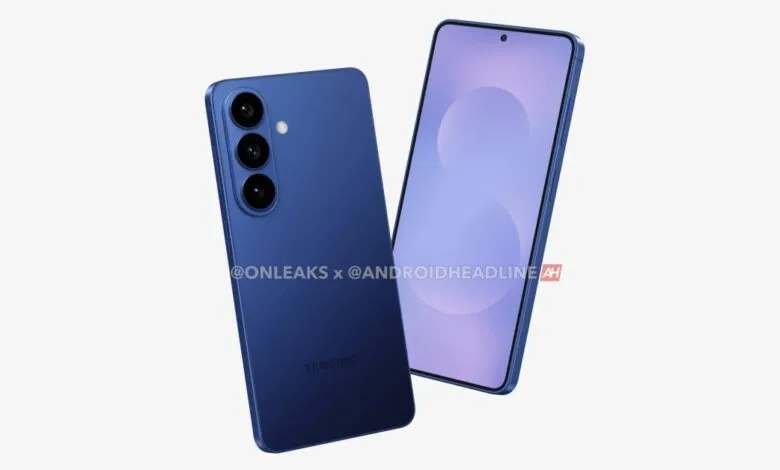
– The overall design and features of the Galaxy S26 series are reported to feel largely static and uneventful, offering only minor changes from the Galaxy S25.
– Specific rumored upgrades that were cut included a redesigned lineup with an “Edge” model, a compact “Pro,” and improvements like Qi2 support and better cameras.
– The result is perceived as a lose-lose situation, with consumers facing higher prices for a phone series that lacks the major upgrades initially anticipated.
Samsung’s upcoming Galaxy S26 series appears to be shaping up as a significant disappointment for consumers anticipating major innovation. Despite the company reportedly scaling back planned upgrades to avoid increasing costs, new leaks indicate prices are still set to rise in several key markets. This creates a frustrating scenario where buyers may pay more for a device that offers little meaningful advancement over its predecessor.
For several generations, the Galaxy S lineup has felt somewhat stagnant. While each new model introduces minor design adjustments and specification bumps, the overall experience from the Galaxy S22 to the Galaxy S25 has remained largely predictable, particularly with the Ultra variants. Many hoped the Galaxy S26 would finally break this cycle with substantial improvements.
Initial rumors in mid-2025 painted an exciting picture. Reports suggested Samsung would abandon the mid-tier Plus model to focus on a slimmer “Edge” version, while also delivering meaningful upgrades to a compact “Pro” and enhancing the Galaxy S26 Ultra. The speculated feature list included support for the newer Qi2 wireless charging standard, significantly upgraded camera systems, and more. It seemed a genuine refresh was on the horizon.
However, those ambitious plans reportedly changed. Following Apple’s announcement of the iPhone 17 series without a price increase, Samsung is said to have shifted its strategy towards aggressive cost-cutting to remain competitive. By November, sources indicated the original Galaxy S26 blueprint had been largely scrapped. The information emerging since then aligns with this, pointing to a hastily assembled Galaxy S26+ and an overall lineup that bears a striking resemblance to the previous generation.
The changes that remain are minimal. The Galaxy S26 Ultra might be slightly thinner, and wireless charging speeds could see a modest improvement. It is a far cry from the comprehensive overhaul that was initially anticipated.
The logical assumption would be that these compromises at least kept consumer costs stable. Unfortunately, that does not seem to be the case. Recent pricing leaks, while inconsistent, point to increases across Europe. One leak from Sweden suggested a €100 jump for the base Galaxy S26 model. More recent data from France indicates a series of smaller bumps: the base Galaxy S26 rising by €40, the Galaxy S26+ increasing by €100, and the base Galaxy S26 Ultra holding its price, though higher storage tiers would see increases of around €100.
While exact pricing will vary by region, the trend is clear. Given the reliability of the sources and how European prices often reflect global trends, it is likely many customers worldwide will face a higher price tag. This is particularly hard to justify when the product itself shows so little tangible development from the prior year.
The broader context involves ongoing volatility in the tech supply chain, especially concerning memory components. While this explains some economic pressure, it does little to soften the blow for potential buyers. Samsung’s apparent pivot from an ambitious upgrade path to a cost-contained, yet still more expensive, product feels like a strategic misstep. Consumers are left with a device that offers negligible improvement at a greater cost, a situation that benefits neither the buyer nor the brand’s innovative reputation. The coming year may prove challenging for those looking to upgrade their smartphones.
(Source: 9to5 Google)