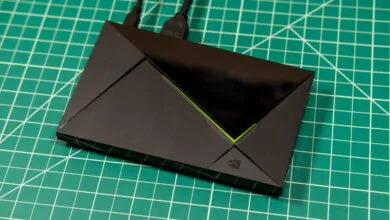
Nvidia Shield TV 7 Years Old, Now $100 More Expensive
▼ Summary
– Nvidia has increased the price of the Shield TV Pro by $100 to $299.99 due to rising component costs driven by the generative AI boom.
– The company attributes this increase to substantial industry-wide hikes in memory and storage prices, which affect all new hardware manufacturing.
– Unlike previous cycles, Nvidia lacks a stockpile of pre-AI hardware, forcing current production units to bear these elevated supply chain costs immediately.
– This pricing trend mirrors broader industry shifts, with major console manufacturers like Sony, Microsoft, and Nintendo also raising prices for their latest devices.
– The higher cost may reduce the device’s appeal for casual streaming users, though it remains available through retailers like Best Buy for enthusiasts needing advanced codec support.
Generative AI has fundamentally reshaped technology supply chains, establishing a new economic reality in 2026: any device containing memory or storage is subject to significant price increases. This trend impacts even legacy hardware, as evidenced by Nvidia’s recent decision to raise the price of the Shield TV Pro by $100. The adjustment takes effect immediately, marking a sharp departure from the pricing structure that defined the device since its inception.
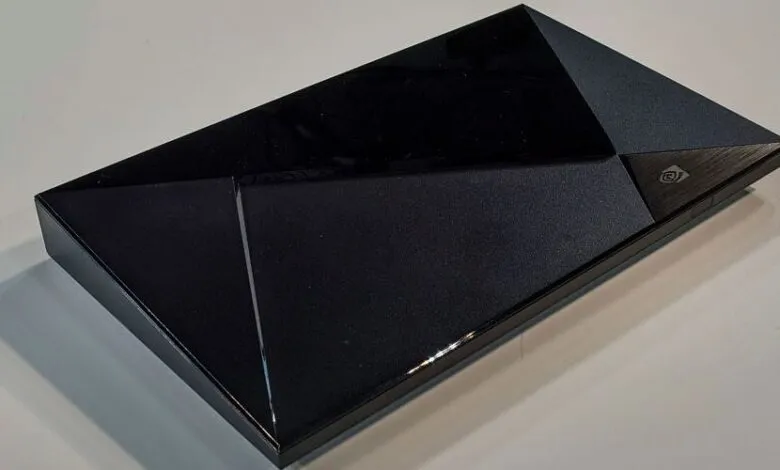
The current iteration of the Shield streaming box arrived in 2019, powered by the aging but capable Tegra X1+ processor. It ran Android TV and offered robust features such as AI upscaling and hardware decoding for nearly every media format. Originally launching at $199.99, with a stripped-down non-Pro version available for $149.99, the product line has since been streamlined. The non-Pro model was discontinued, leaving the Shield TV Pro as the sole remaining option, now priced at $299.99.
Supply Chain Pressures and Component Costs
Nvidia has explicitly linked the price hike to broader industry trends driven by the AI boom. When questioned about the change, company leadership pointed to the rising cost of essential parts. A spokesperson stated: “Starting October 2, SHIELD Pro will be priced at $299. The cost of components, including memory, has increased substantially across the industry.”
This situation highlights the tension between niche passion projects and modern manufacturing economics. Earlier this year, Nvidia’s Andrew Bell described the Shield as a labor of love, noting that the company actively manufactures each unit rather than relying on leftover inventory. Without a buffer of pre-AI stockpiled hardware, new units face the same supply chain constraints affecting smartphones and computers today. Passion projects must still adhere to market realities, and those realities have become significantly more expensive.
The Broader Impact of AI on Hardware Pricing
It is worth noting that Nvidia is not merely a victim of these market forces; it is a primary driver. As a dominant force in AI hyper scaling, the company benefits immensely from the demand for high-performance chips. Its status as one of the world’s most valuable firms stems from its leadership in AI accelerators and GPUs. Consequently, the company is well-positioned to absorb costs, yet it passes some of that financial burden onto consumers through higher retail prices.
This phenomenon extends beyond streaming devices. Major console manufacturers, including Nintendo, Microsoft, and Sony, have raised prices for their current-generation hardware. The PS5 Pro, for instance, saw its launch price jump from $699.99 in 2024 to $899.99 currently. These shifts reflect a general industry trend where advanced capabilities and component scarcity drive up the baseline cost of consumer electronics.
Availability and Consumer Considerations
For months, stock of the Shield TV Pro has been scarce, likely because production became financially unviable at the previous price point amidst soaring component costs. At $300, the margin may finally justify increased manufacturing output. However, this price increase further cements the device’s status as a niche product. For average users seeking basic streaming services like Netflix, the premium is difficult to justify when cheaper alternatives exist.
The Shield TV Pro retains value primarily for enthusiasts who require its extensive codec support or need a reliable Plex server capability. For everyone else, budget-friendly streamers offer comparable functionality at a fraction of the cost. While the device remains out of stock directly from Nvidia, it is available at the new $299.99 price point through retailers such as Best Buy.
(Source: Wired)