How Flock Cameras Track Cars and People
▼ Summary
– Hackers physically removed a Flock camera and extracted its stored data, sharing the files with media outlets to expose surveillance capabilities.
– The breach revealed that despite claims of on-device encryption, attackers recovered an encryption key to access thousands of vehicle detection videos.
– Analysis showed the system explicitly detects people, vehicles, bicycles, and specific details like bumper stickers using computer-vision software.
– The incident highlights growing public resistance, as some towns are discontinuing Flock usage and police departments are deploying decoy cameras to deter vandals.
– Multiple arrests have occurred nationwide for individuals alleged to be tampering with or sabotaging these surveillance devices.
Physical Breach Exposes Internal Logic
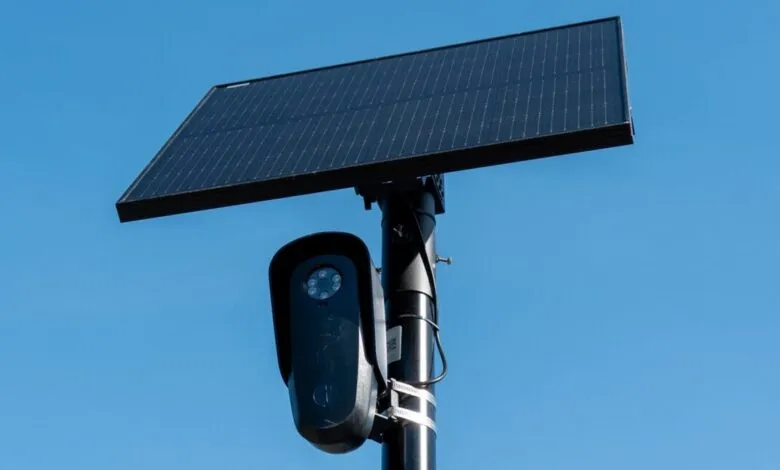
A recent physical intrusion into a Flock Safety surveillance camera has provided investigators with an unprecedented view of the technology’s internal operations. Hackers physically dismantled a unit mounted above a roadway, extracted its stored data, and subsequently shared these files with 404 Media and WIRED. This disclosure reveals in granular detail how the system monitors the movements of both vehicles and individuals. The perpetrators have indicated they are also releasing technical details regarding their access methods, encouraging others to replicate the breach.
This incident offers a rare glimpse into a system that Flock Safety claims is secured by on-device encryption. Despite these protections, the attackers successfully copied the device’s storage and recovered an encryption key embedded within the hardware. This key allowed them to unlock videos containing thousands of vehicle detection records. The raw material was first shared with 404 Media and the transparency nonprofit Distributed Denial of Secrets, which then forwarded the evidence to WIRED. These two outlets conducted a joint analysis of the recovered files to understand the camera’s capabilities.
Beyond License Plates: Tracking People and Details
While much of the automatic license plate reader’s most sensitive data remained encrypted and inaccessible, the analyzed logs confirm that the device’s software explicitly identifies people in addition to vehicles, license plates, and bicycles. The camera captures dozens of images for every single passing vehicle. According to several weeks of recovered logs, the system generated more than a million images during the monitored period.
The computer-vision algorithms employed by the camera are sophisticated enough to isolate specific graphics and small details. In one notable instance, the software identified an American flag patch on a motorcyclist’s saddlebag. Other detections included various bumper stickers and similar visual markers. This level of detail suggests the system does more than simply record traffic flow; it actively categorizes visual elements associated with individuals and their property.
Escalating Resistance and Countermeasures
The decision to remove the camera and dump its software rather than merely destroy it indicates a shift in tactics among those opposing the surveillance network. Across the United States, numerous individuals have been arrested for allegedly tampering with or sabotaging Flock cameras. However, this new approach shows a desire to expose the technology’s inner workings rather than just disable it.
In response to the growing hostility toward these devices, some municipalities have announced plans to discontinue the use of Flock cameras entirely. One police department took extreme measures to protect its equipment, creating a fake, 3D-printed Flock camera case designed to bait potential vandals. This strategy highlights the escalating tension between law enforcement agencies deploying the technology and communities that view it as an infringement on privacy or security.
(Source: Ars Technica)