FBI seeks near real-time access to license plate cameras nationwide
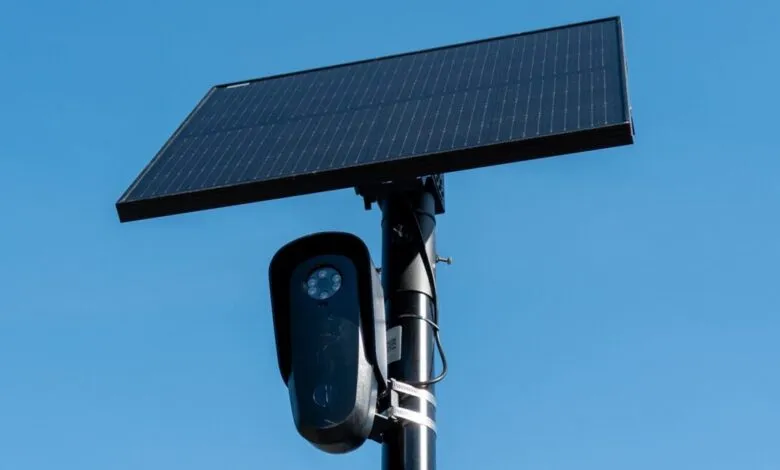
▼ Summary
– The FBI plans to buy nationwide access to a network of license plate readers for “near real time” tracking.
– The contract requires vendors to provide data from both law enforcement and commercial license plate readers covering 75 percent of locations.
– The system must allow searches by license plate, vehicle description, time/date, and geo-location.
– The FBI requires the system to offer search result notifications and the ability to query cameras across the US and its territories.
The Federal Bureau of Investigation has officially announced its intention to secure nationwide access to a network of license plate readers, seeking contractors capable of delivering near real-time data from cameras positioned across the United States. The proposed contract, managed under the FBI Directorate of Intelligence, marks a significant expansion of the agency’s surveillance capabilities.
In a Request for Proposals (RFP) issued on May 14, the FBI stated that it requires professional service firms to provide License Plate Readers (LPRs) for tracking subjects on roads and highways throughout the country and its territories. The agency specified that winning bidders must supply data from existing law enforcement or commercial platforms, and that the system must cover at least 75 percent of locations nationwide.
The RFP outlines that the system must enable searches based on license plate numbers, along with additional descriptive data such as vehicle type, time and date parameters, and geographical location. Furthermore, the FBI demands that the platform provide search result notifications and allow users to access or query cameras across the entire United States and its territories. The key requirement is that all data must be delivered in near real time, enabling rapid responses to evolving threats.
For the FBI, the goal is clear: to evaluate and manage risks to personal safety, property, and law enforcement operations. By consolidating access to a vast network of automated cameras, the agency aims to enhance its ability to track suspects and vehicles with unprecedented speed and coverage.
(Source: Ars Technica)