Topic: study methodology
-

ChatGPT Fails at Scientific Paper Summaries, Study Finds
ChatGPT struggles to accurately summarize dense scientific research, often sacrificing accuracy for simplicity and requiring extensive human fact-checking. In a year-long study, AI-generated summaries of 64 scientific papers frequently contained errors, oversimplifications, and omissions of criti...
Read More » -

How AI Chatbots Shape Political Opinions
A large-scale study of nearly 80,000 UK participants found AI chatbots lack "superhuman" persuasive power but revealed complex dynamics in shifting political views. Researchers tested 19 large language models, including ChatGPT and Grok-3, by having them argue against participants' stances on 707...
Read More » -

Google Rankings vs. LLM Citations: The Data Gap
Large language models and traditional search engines like Google source information differently, with AI platforms often showing less overlap with standard search results than expected. Perplexity aligns most closely with Google, sharing many domains due to its live web retrieval, while ChatGPT a...
Read More » -
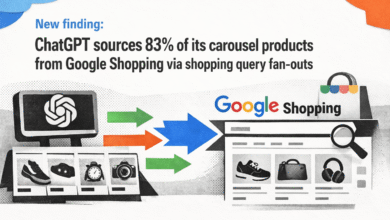
83% of ChatGPT's Shopping Results Come From Google
ChatGPT's product recommendations heavily rely on Google Shopping, with 83% of its carousel items matching top Google results, compared to only 11% from Bing. The system uses a distinct, specialized process for shopping queries, which are shorter and less frequent than its standard web searches f...
Read More » -

AI Debt Collectors: Less Judgment, More Relief
AI-driven debt collection systems offer 24/7 service and can reduce consumer feelings of judgment and stigma compared to human agents, but they create a significant empathy gap in sensitive interactions. While consumers show similar trust in factual information from both AI and human agents, this...
Read More » -

Accessibility: AI's Most Transformative Breakthrough
AI tools like Microsoft Copilot are disproportionately benefiting neurodiverse and disabled employees by leveling the workplace playing field, particularly for those with ADHD, dyslexia, and hearing impairments. Neurodiverse employees reported significantly higher satisfaction levels with Copilot...
Read More » -

X-Ray Scans Expose Cheap Battery Dangers
A study using industrial X-ray scanning revealed that cheap and counterfeit lithium-ion batteries often contain dangerous manufacturing flaws, significantly increasing the risk of fires and explosions compared to major-brand batteries. The investigation found hazardous defects, such as negative a...
Read More » -

Marketers Hit Peak 'AI Brain Fry,' New Study Reveals
A new study links heavy reliance on AI at work to significant mental exhaustion, termed "brain fry," particularly among marketing teams, highlighting a clash between productivity promises and human costs. The research identifies AI oversight as the most mentally taxing activity, expanding workers...
Read More » -

Google's AI Mode: SEO Impact & User Behavior Study
AI-generated text captures 88% of user attention in Google's AI Mode, with inline text links significantly outperforming link icons in driving clicks and engagement. Brand trust is the most critical factor for visibility in AI Mode, as users consistently prefer familiar and authoritative brands, ...
Read More » -

Study: LLM Traffic Less Engaged Than Organic Visitors
AI-powered search tool visitors show lower engagement rates than traditional organic search traffic, challenging claims of superior visitor quality. Users from LLM referrals interact less with websites across most industries, though exceptions exist in health, careers, and catalog sectors. Despit...
Read More » -

Popular Headphones Pulled in Europe Over Chemical Concerns
A European Union-funded study found hormone-disrupting chemicals in headphones, prompting major retailers to remove specific models from sale due to health concerns. The investigation tested 81 models from brands like Apple and Samsung, finding every single one contained these harmful endocrine d...
Read More »