Sam Altman: Apple Fanboy, Lawsuit Made Him Sad
▼ Summary
– Sam Altman expressed sadness and called Apple’s trade secret allegations egregious while OpenAI moves to dismiss the lawsuit.
– Apple sued OpenAI alleging coordinated misconduct by former employees Chang Liu and Tang Tan regarding confidential prototypes and information.
– OpenAI argues the complaint fails to state a valid claim and suggests Apple fears hardware competition will reduce its demand.
– The legal strategy is influenced by California law which voids non-compete agreements, forcing employers to litigate theft after hiring occurs.
– In contrast, European laws like those in Germany and France allow for post-contractual non-competes if financial compensation is provided.
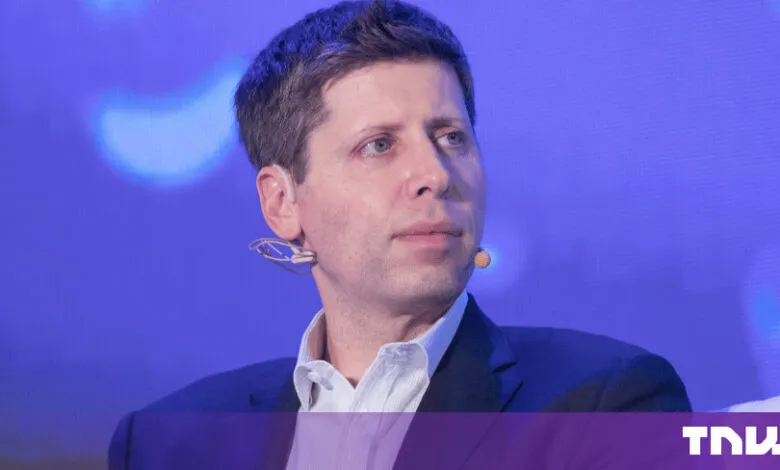
Sam Altman expressed deep disappointment regarding the legal conflict between OpenAI and Apple, describing himself as a “mega Apple fanboy” during an interview with journalist Alex Heath. The conversation, reported by Business Insider on Saturday, revealed that Altman’s initial reaction to the lawsuit was one of shock and dismay. He stated, “When I first heard about it, I was like, Man, this sounds egregious. Someone must have done something badly.”
Despite his personal sadness, OpenAI has moved swiftly to dismiss the case, arguing that the complaint fails to state a valid legal claim. The lawsuit, filed in July, accuses the AI firm of engaging in a “coordinated pattern of misconduct at an institutional level.” The 40-page document specifically names two former Apple engineers, Chang Liu and Tang Tan, alleging they carried Apple prototypes into interviews and solicited current staff members about unannounced products. While the complaint focuses heavily on corporate entities and these individuals, Altman is barely mentioned personally.
The CEO emphasized that OpenAI has no interest in acquiring intellectual property from other companies or hiring individuals who might bring such secrets with them. However, the legal strategy differs from the public sentiment. While Altman publicly labeled the allegations as egregious, his legal team is aggressively seeking to have the case thrown out entirely. This dual approach reflects different registers of communication rather than a contradiction, placing both views firmly on the record.
Apple has also requested a preliminary injunction to freeze OpenAI’s access to its trade secrets. OpenAI counters that Apple fears its advanced hardware capabilities will reduce consumer demand for Apple devices. The venue of this dispute is significant because it highlights the stark contrast between American and European employment laws.
In California, non-compete agreements are void. Consequently, employers cannot restrain former employees from joining rivals in advance. Instead, they must litigate after the fact to prove what information was taken. This post-hoc legal battle often slows down the very innovation it seeks to protect. In contrast, countries like Germany and France allow post-contractual non-competes but require significant financial compensation, typically at least 50% of previous earnings, to make the restriction binding. Europe prices restraint in advance through contracts, whereas California forces former employers to prove theft in public courts, creating a different dynamic for protecting proprietary technology.
(Source: The Next Web)