Yulu raises $93M as e-bike demand surges with quick-commerce
▼ Summary
– Yulu raised $93 million in Series C funding, with $63 million in equity led by GEF Capital Partners and $30 million in debt, valuing the startup at about $170 million post-money.
– The Bengaluru-based startup operates around 50,000 electric two-wheelers on weekly subscriptions, logging 1.6 million miles weekly and powering over 750,000 deliveries daily, with plans to expand the fleet to 200,000 bikes in two years.
– About 95% of Yulu’s revenue comes from renting bikes to gig workers, with the rest from station-based rentals in Bengaluru; it dropped plans to sell bikes directly to consumers.
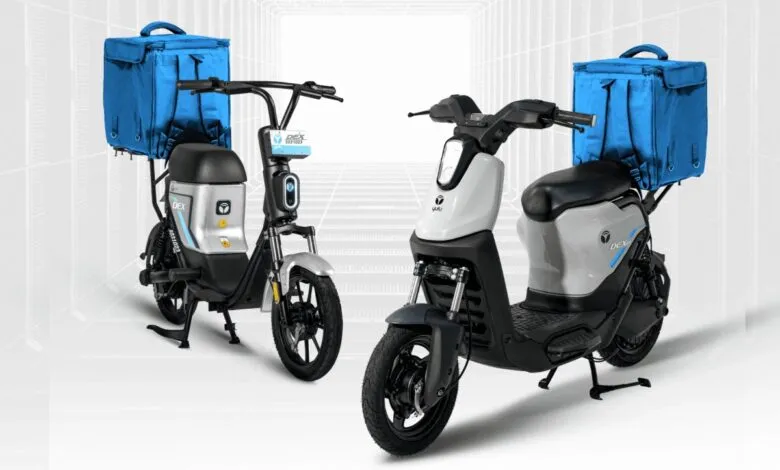
– Yulu is launching a new high-speed scooter, Yulu Express, for longer-haul deliveries and bike taxis, comprising about a third of the planned fleet, with 500 units already trialed in Bengaluru and three other cities.
– The company achieved positive EBITDA last fiscal year and expects profitability before interest and taxes next year, with revenue growing seven-fold between fiscal 2023 and fiscal 2026.
India’s rapid rise of quick-commerce platforms, which promise to drop off everything from daily groceries to the latest smartphones within minutes, has created a massive operational challenge. The demand for swift last-mile delivery has fueled an unprecedented surge in the electric mobility sector, and Bengaluru-based startup Yulu is capitalizing on this momentum with a fresh infusion of $93 million in capital.
The company operates a unique model in the mobility space, offering electric two-wheelers on flexible weekly subscription plans. This approach allows delivery drivers to begin earning immediately without the significant upfront cost of purchasing a vehicle. With a current operational fleet of roughly 50,000 electric vehicles, Yulu reports an impressive weekly travel distance of about 1.6 million miles, facilitating over 750,000 deliveries each day. The newly acquired funds are earmarked for a significant expansion, with plans to scale the fleet to 200,000 bikes over the next two years. This growth strategy also includes the introduction of faster electric two-wheelers tailored to a variety of logistics requirements.
The Series C investment was structured with a $63 million equity component, led by GEF Capital Partners, alongside a $30 million debt financing arrangement. According to co-founder and CEO Amit Gupta, a portion of the equity, approximately $5.5 million, was allocated to purchasing shares from early seed investors whose fund lifecycles were nearing their conclusion. While sources familiar with the transaction indicate the deal values Yulu at around $170 million post-money, Gupta declined to comment on the specific valuation figure but did not dispute it.
Notably, existing backers Bajaj Auto and Magna International chose not to participate in this round, opting to waive their pre-emptive rights. This strategic decision enabled GEF Capital to secure its desired ownership percentage. Gupta mentioned to TechCrunch that this is likely the company’s final equity fundraising effort before pursuing an eventual public listing. Future expansion of the vehicle fleet will be financed primarily through debt instruments and lease agreements.
The company’s financial trajectory shows promising signs of stability. Gupta confirmed that Yulu achieved positive EBITDA in the last fiscal year and is on track to reach profitability before interest and taxes next year. Furthermore, the startup experienced a remarkable seven-fold increase in revenue between fiscal 2023 and fiscal 2026, though specific revenue figures were not disclosed.
The pandemic proved to be a pivotal turning point for the company. Initially launched in 2017 as a bike-sharing service for urban commuters, Yulu discovered its true market opportunity as lockdowns accelerated the demand for food and grocery home deliveries. Today, the business model has evolved significantly, with approximately 95% of revenue now derived from renting electric bikes to gig workers under weekly subscription plans. The remaining income comes from its station-based rental service in Bengaluru, and the company has abandoned earlier plans to sell bikes directly to consumers.
To drive its next phase of growth, Yulu is rolling out a new, full-sized electric scooter with higher speed capabilities, branded as the Yulu Express. This model is specifically engineered for longer-distance e-commerce deliveries, bike taxi services, and express parcel operations, segments that its slower, existing fleet could not adequately address. Gupta indicated that roughly one-third of the planned 200,000-vehicle fleet will consist of this new model.
While the current low-speed fleet is manufactured by Bajaj Auto, the production of the new high-speed scooter has been outsourced to a different Indian manufacturer, whose identity Gupta chose not to reveal. Approximately 500 units of the new scooter are already operational in Bengaluru, with trials underway in three additional cities.
Yulu currently maintains operations across 12 Indian cities, running its own logistics in key metros like Bengaluru, Mumbai, Delhi-NCR, and Hyderabad, while partnering with franchisees in eight other markets. The company has set its sights on expanding to roughly 20 cities within the next year, with Chennai and Pune identified as primary targets for new operations.
Gupta emphasized that Yulu collaborates with nearly all major quick-commerce, food-delivery, and e-commerce platforms, including industry giants like Amazon and Walmart-owned Flipkart. However, its direct customers are the gig workers who rent the bikes, not the platforms themselves. He drew a parallel to cloud computing, describing Yulu’s role as “the AWS of mobility,” providing the essential infrastructure that enables delivery workers to operate efficiently, without the platforms taking a commission from the workers’ earnings.
(Source: TechCrunch)