Microsoft extends free Windows 10 support to 2027, raising questions about Windows 11
▼ Summary
– Microsoft ended support for Windows 10 on October 14, 2025, but extended it through the ESU program until October 14, 2027, offering free critical updates to users with a Microsoft account.
– High RAM prices and Windows 11’s strict hardware requirements make upgrading difficult, leaving nearly 400 million PCs potentially obsolete.
– Critics in France held a symbolic “funeral” for Windows 10, protesting what they see as planned obsolescence by Microsoft.
– Some users and groups advocate switching to Linux instead of Windows 11, citing a lack of ads and telemetry as benefits.
– A recent HP survey found 3 out of 10 HP PCs still run Windows 10, with PC makers suggesting upgrades could roll into 2026.
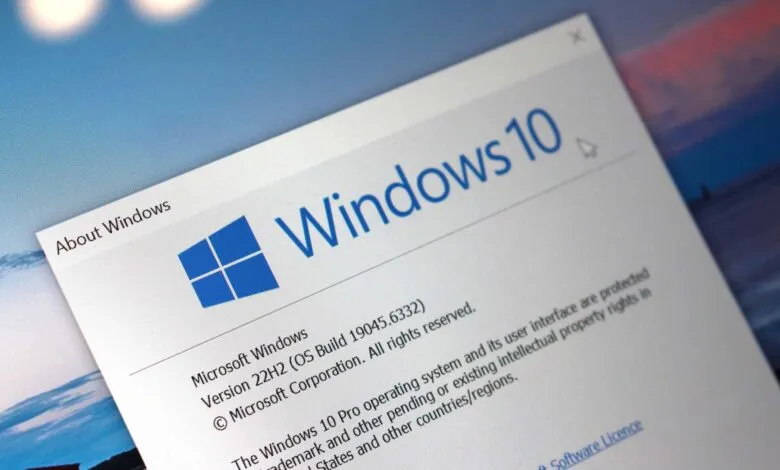
On October 14, 2025, Microsoft officially ended support for Windows 10, ignoring widespread pleas from millions of users still relying on the operating system. That decision risked leaving nearly 400 million PCs without updates, effectively rendering them obsolete. But Microsoft ultimately extended Windows 10’s lifespan through its Extended Security Updates (ESU) program, granting users continued access to critical patches beyond the original end-of-support date.
The Restart Project group, which helped co-develop the “End of 10” toolkit for users unable to upgrade to Windows 11, described Microsoft’s move as a last-minute snooze button. They argue it acts as a band-aid on a bleeding system rather than a real solution.
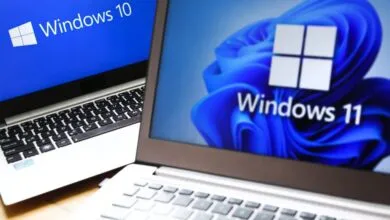
It’s no secret that Microsoft has been pushing users toward Windows 11, but soaring RAM prices have driven hardware costs sky-high, making the transition even harder. This compounds the operating system’s strict hardware requirements and criticism of flawed design elements.
In France, critics staged a symbolic “funeral” for Windows 10, protesting Microsoft’s push toward Windows 11 and what they see as planned obsolescence. Yet recent developments suggest the company may finally be listening.
Microsoft quietly extended Windows 10’s ESU program by another year. As a result, users enrolled will continue receiving support until October 14, 2027. The extension is free for those who sign in to Windows 10 with a Microsoft account, ensuring critical updates remain available beyond the original cutoff.
What does the community think about Windows 10’s extended lifeline?
“People might start switching to Linux and using open source software for replacements if this RAM/storage issue doesn’t get resolved in the next year,” a Windows Central reader indicated.
Groups like End of 10 have been pushing users to transition to Linux following Windows 10’s end-of-life. The campaign encourages steadfast Windows 10 users to ditch the Windows ecosystem entirely and switch to a version of Linux on outdated devices. They use a lack of ads and telemetry tracking as key selling points to get users to switch camps.
“I said a year ago that this was going to happen, and I’ll say it again, it’s going to happen next year too,” another reader added. “Windows 10 will be supported till October 2028. This has nothing to do with prices. This was planned since the beginning. But like last year, Microsoft did not say until late this was happening for free, so that people did not plan accordingly and as many as possible move to 11. Same this time. Same next year.”
“Windows 10 to Windows 11 is like when you need new running shoes, but Nike discontinued the kind you’ve been buying new versions of for years, and the other kinds are fine but don’t measure up,” another user commented in the r/technology subreddit. “So you’re like ‘fNone* it, I’ll just wear these until they fall apart.'”
For context, a recent HP survey found that 3 out of 10 HP PCs are still running Windows 10. This was a slight decrease from September 2025, when HP and Dell indicated that up to 50% of PCs were still on the operating system. That prompted PC makers to suggest users won’t upgrade to Windows 11 overnight, and the process could even roll over into 2026.
Some even claimed that Microsoft’s decision to extend Windows 10’s support beyond 2026 is an outright admission that it’s better than Windows 11. “So are they finally admitting that Windows 11 isn’t good enough almost 5 years later?”
To that end, it remains unclear how extending support for Windows 10 via its ESU program to 2027 will impact Windows 11’s market share. The operating system had just started gaining momentum and even surpassed Windows 10 as the most dominant desktop OS in the world in July 2025.
In the interim, you can take advantage of Microsoft’s extended support for Windows 11 by enrolling in the ESU program for free by signing in with a Microsoft account, or pay for access via 1,000 Microsoft reward points or $30.
(Source: Windows Central)