Mobileye to launch US robotaxi service in 2027
▼ Summary
– Mobileye announced plans to launch its own robotaxi service in a US city in 2027, shifting from supplying autonomous-driving technology to owning and operating a ride-hailing business.
– The company will start with about 100 fully driverless vehicles in a major US metro area, aiming to scale to roughly 17,000 vehicles over the following five years.
– Running its own service breaks Mobileye’s neutral-supplier position, putting it in direct competition with customers that license its Mobileye Drive system.
– Mobileye is using its Moovit app for the consumer-facing side of the robotaxi service, including booking and fleet operations.
– The move is late compared to Waymo, which already runs hundreds of thousands of paid rides weekly, and the shift from asset-light chip selling to capital-intensive fleet operations poses financial challenges.
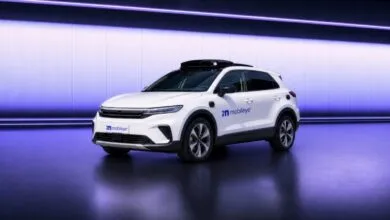
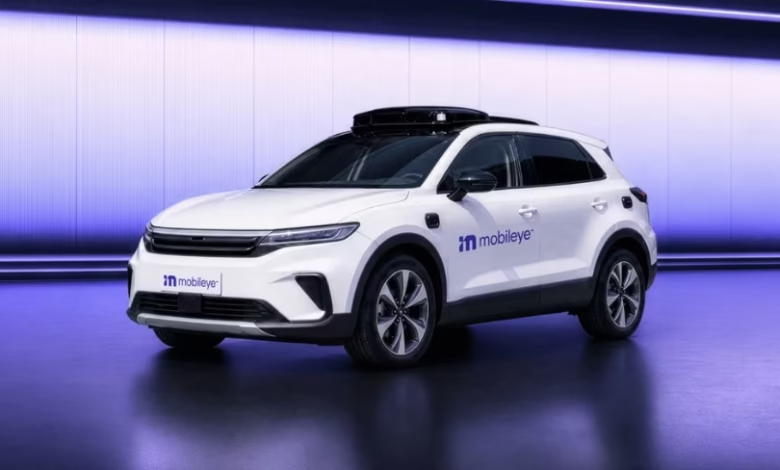
For 25 years, Mobileye has operated as the leading supplier of autonomous driving technology, providing cameras, chips, and software embedded in over 230 million vehicles worldwide. The company deliberately avoided operating its own driving fleets,until now. On June 16, the Jerusalem-based firm announced a major strategic pivot: it will launch its own robotaxi service in a U.S. city by 2027.
This marks a significant transition from being a pure technology supplier to becoming a direct owner and operator of an autonomous ride-hailing business. Investors responded positively, sending shares up roughly 6 percent.
The initial rollout will be modest. Mobileye plans to deploy a fleet of about 100 fully driverless vehicles in a major U. S. metropolitan area, gradually phasing in operations throughout 2027. If successful, the company aims to scale up to approximately 17,000 vehicles over the subsequent five years.
From supplier to operator
The importance of this shift lies in Mobileye’s historical identity. Its Mobileye Drive system has been sold as a standalone product, allowing carmakers and mobility operators to integrate it into their own vehicles. This neutral-supplier role made Mobileye a partner to nearly everyone in the industry.
Operating its own service breaks that neutrality, placing Mobileye in direct competition with some of its own customers who license Mobileye Drive. The company acknowledges this tension, framing the move as a “complementary path to market” rather than a replacement. Mobileye insists its commitment to supplying partners “does not alter.”
To assemble the full operational stack, Mobileye is leveraging Moovit, the trip-planning app it owns, for consumer-facing functions such as booking, multimodal routing, rider engagement, and fleet management. Moovit claims it reaches 1.7 billion users across more than 3,500 cities, providing a demand-side reach that a new operator would otherwise need years to build.
A swipe at Waymo, and a late start
CEO Amnon Shashua framed the launch as a corrective to what he sees as a narrowing market. “The industry has become increasingly dependent on a small number of technology providers and business models,” he said, in a clear reference to Waymo’s commanding lead and Tesla’s push into autonomous driving.
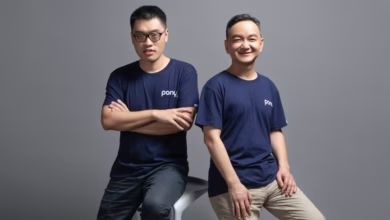
The challenge is that 2027 is a late entry to make that argument. Waymo already runs hundreds of thousands of paid rides weekly across a growing list of U. S. cities. Meanwhile, Mobileye’s own supplier deals have faced delays, including the Verne robotaxi launch in Zagreb, which switched from Mobileye to Pony.ai before going live.
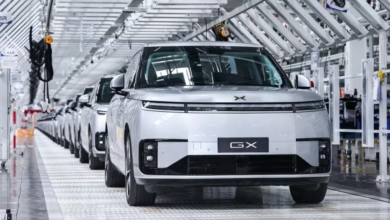
The logic of vertical integration is sound, and increasingly popular. XPeng is making a similar bet: owning the chip, software, and operation produces a better robotaxi than stitching together disparate components. Mobileye owns more of that stack than most competitors.
The hard part is the business, not the driving
The deeper question is financial. Selling chips is a high-margin, asset-light business. Running a fleet of robotaxis is the opposite: a capital-intensive grind involving vehicles, depots, cleaning, insurance, and teleoperators. Even Waymo is still working to make the economics work, hence its shift to a cheaper, purpose-built Ojai vehicle.
Mobileye, still majority-owned by Intel and fresh from a roughly $900 million deal for humanoid-robot startup Mentee Robotics, is taking on this burden just as it pushes into physical AI. The company says it will share commercialization and operational details at a Capital Markets Day before the end of 2026.
The targets are bold. Whether Mobileye can run a robotaxi business as effectively as it builds the technology behind one is the question those numbers will have to answer.
(Source: The Next Web)