Minisforum MS-03 SFF PC Doubles Down on Performance

▼ Summary
– Minisforum unveiled the MS-03, the successor to the MS-01 small form factor PC, at Computex, upgrading it with Intel’s Core Ultra Series 3 (Panther Lake) H-series mobile processors.
– The MS-03 retains the exact external chassis design of the MS-01, including four networking ports (two 10GbE SFP+ and two 2.5GbE RJ45) and a low-profile PCIe slot.
– The system features two USB-C ports with full 40Gbps USB4 connectivity, two 10Gbps USB-A ports, and an HDMI 2.1 port, powered by an external 19V power brick.
– Internal upgrades include an NPU for AI capabilities, support for DDR5-7200 memory, Wi-Fi 7 and Bluetooth 6, and three M.2 slots with at least PCIe Gen4 speeds (two with Gen5 x4).
– The TDP has been increased from 60 Watts on the MS-01 to 70 Watts on the MS-03, and shipping is expected later this month with pricing unannounced.
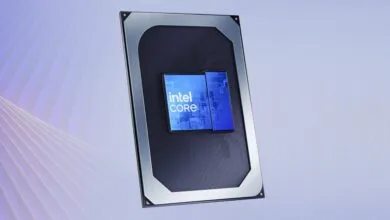
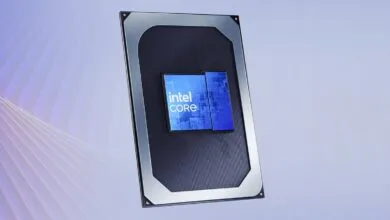
At this year’s Computex, Minisforum unveiled the MS-03, a small form factor PC that builds directly on the foundation of its popular predecessor, the MS-01. While the company also showcased the S5 NAS, the MS-03 stands out as a significant upgrade, bringing Intel’s latest Core Ultra Series 3 (Panther Lake) H-series mobile processors into a compact chassis that has proven its appeal among enthusiasts and professionals alike.
The original MS-01, powered by Intel’s 13th Gen Raptor Lake platform, has been due for a refresh. Minisforum essentially skipped a generation by not releasing a direct successor based on Arrow Lake, instead offering the larger MS-02 Ultra. Now, with the MS-03, the company is closing that gap, incorporating several generations of technological advancements into a familiar, well-loved form factor. This system made its international debut at Computex after a local Chinese introduction earlier in the year, and Minisforum has since shared more detailed specs, including full I/O and PCIe configurations.
At its core, the MS-03 leverages Intel’s Panther Lake H-series processors, which are ideal for mini-PCs due to their low power draw and integrated features like Wi-Fi 7 MAC and Thunderbolt 4 connectivity. Notably, Minisforum chose the standard H-series chips over the X7/X9 SKUs, which offer a more powerful iGPU but fewer PCIe lanes. This decision underscores the company’s commitment to PCIe expandability, a hallmark of the MS-01 that carries over to the MS-03.
Externally, the chassis is virtually unchanged from the MS-01. Every port, button, and vent hole remains in the same position. The front panel features a single 10Gbps USB-A port and two 480Mbps USB-A ports. On the rear, the system retains its distinctive networking setup: two 10GbE SFP+ ports and two 2.5GbE RJ45 jacks, alongside a low-profile PCIe slot cutout. For USB connectivity, the back panel includes two USB-C ports wired to Panther Lake’s Thunderbolt 4 controllers, offering full 40Gbps USB4 speeds, plus two 10Gbps USB-A ports and a single HDMI 2.1 port driven by the integrated Intel Graphics iGPU. Power is supplied via an external 19V brick through a DC barrel connector.
While Minisforum did not have a unit open for inspection at the show, the company confirmed substantial internal changes beyond the new SoC. The Panther Lake platform brings more powerful CPU and GPU cores, and for the first time in this form factor, an NPU for AI workloads. The system also supports faster DDR5-7200 memory and includes the new BE211 Wi-Fi adapter for Wi-Fi 7 and Bluetooth 6.
The PCIe lane allocation has been reworked as well. On the MS-01, only one M.2 slot received PCIe Gen4 bandwidth. On the MS-03, all three M.2 slots get at least Gen4 speeds, with the two faster slots offering PCIe Gen5 x4 connections. The trade-off is that the PCIe x16 slot has been reduced from a Gen4 x8 electrical connection to a Gen5 x4 connection, keeping bandwidth consistent while freeing up lanes for NVMe storage. The system’s TDP has also been increased from 60 watts to 70 watts, raising questions about thermal and noise performance given the unchanged chassis.
Minisforum’s decision to stick so closely to the original MS-01 design is understandable given its popularity, but it does raise a few eyebrows. The use of 2.5GbE for the RJ45 jacks, for example, feels dated when 10GBASE-T has become more affordable. Similarly, the front panel’s limited high-speed USB options, with only a single 10Gbps port and two USB 2.0 ports, seems out of step with 2026 standards, where most competitors offer multiple high-speed USB-A or even USB-C ports.
Despite these quibbles, the MS-03 promises a nearly half-decade leap in processor architecture while retaining the compact, versatile form factor that made the MS-01 a favorite for both desktop and homelab use. Shipping is expected to begin later this month, though pricing has not yet been announced.
(Source: Servethehome.com)