Waymo’s New Chinese-Made Robotaxi Arrives in Ojai
▼ Summary
– Waymo will begin offering free rides to the public in its new Ojai autonomous minivans in Los Angeles, San Francisco, and Phoenix within weeks.
– The Ojai is Waymo’s first vehicle built specifically for autonomy, featuring updated hardware and software that combines cameras, lidar, and radar.
– The vehicle is a modified Chinese-made Zeekr platform, shipped to Arizona for the addition of US-built autonomous systems.
– Waymo currently lacks California regulatory permission to charge fares for Ojai rides, pending a CPUC decision by June 27.
– Waymo plans to expand its service to at least 20 new regions, including London and Tokyo, and is adding Hyundai Ioniq 5 models to its fleet.
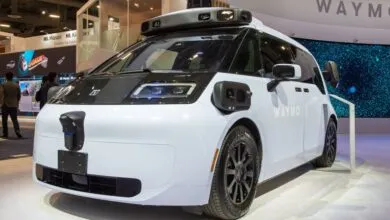
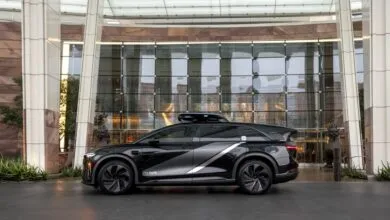
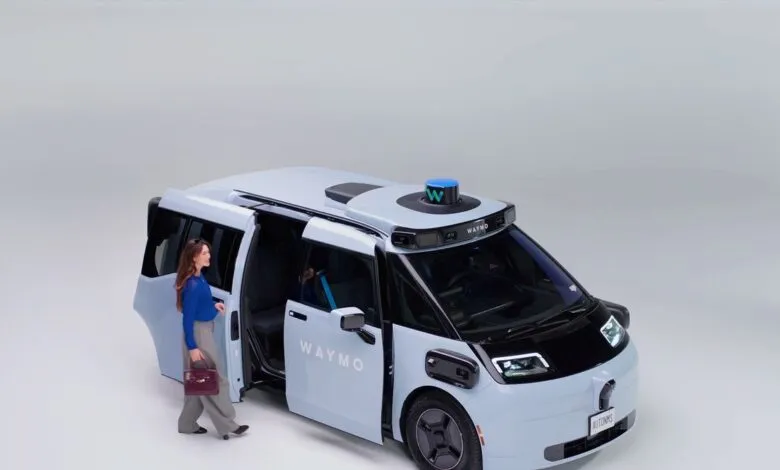
There’s a new autonomous vehicle hitting the streets of Los Angeles, San Francisco, and Phoenix, and it’s unlike anything Waymo has deployed before. Over the next few weeks, the Alphabet-owned self-driving company will begin offering free rides to the public in its Ojai vehicles , pale blue, boxy minivans packed with sensors and still equipped with steering wheels, even though they’re designed to operate without a driver. Riders can summon these cars through the Waymo app, and for now, the trips won’t cost a dime.
The journey to this moment has been a long one. Waymo first announced the Ojai in 2021 and began testing it on public roads in 2024. Yet the timing is oddly turbulent for the company. Waymo, which is racing to expand across the U. S. and internationally, recently shut down service in six U. S. cities after issues with how its vehicles handle flooding. It also paused its highway driving program due to operational concerns near construction zones.
Here’s a closer look at what makes the Ojai stand out , and the complex system powering it.
Why the Ojai Matters
For nearly a decade, Waymo has tested and deployed its autonomous technology in vehicles originally built for human drivers. It started with the Chrysler Pacifica hybrid, then moved to the all-electric Jaguar I-Pace in 2018. The Ojai is different: it’s the first vehicle designed from the ground up for autonomy.
The Ojai’s launch also introduces Waymo’s latest hardware and software suite. The company says this update “leverages breakthroughs in AI” and, like earlier systems, combines inputs from three sensor types: cameras, lidar, and radar. Waymo sees this upgraded tech as the engine behind its aggressive expansion. The company currently operates in 11 U. S. markets and plans to launch in at least 20 new regions, including London and Tokyo. According to Satish Jeyachandran, Waymo’s vice president of engineering, the system is “designed for long-term growth across multiple vehicle platforms” and should help the company tackle challenging environments , including brutal winters, historically a tough obstacle for autonomous vehicles.
As for the name: Ojai is a nod to the artsy, upscale village in Ventura County.
What’s New and Different
The Ojai looks nothing like its predecessors. The cabin is roomier with more legroom than the Jaguar I-Pace, plus charging ports and cup holders. Waymo says the vehicle is more accessible for people with disabilities, featuring flat floors, a low step-in height, and grab bars. (It is not wheelchair-accessible.) The interior is also easier to clean. On the operational side, the vehicle charges faster and has a modular design that simplifies repairs.
The exterior is studded with sensors: 13 cameras, six radar systems, and four lidar sensors , all working together to navigate roads without a human driver.
Who Built the Ojai?
Here’s where things get geopolitically interesting. The Ojai is a modified version of a “mobility platform” built by Geely, a leading Chinese new-energy vehicle manufacturer. Specifically, the car’s shell comes from Geely’s sub-brand Zeekr, which has sold cars internationally since 2023 across Europe, Asia, the Middle East, and Latin America. Notably, Zeekr does not sell cars in the U. S. , but the Ojai will operate there.
Waymo explains that the bare-bones vehicles are manufactured in China, then shipped to Waymo’s Arizona facility, where U. S.-built autonomous systems are installed. Waymo spokesperson Sandy Karp says the company is working toward producing tens of thousands of driverless-ready vehicles per year.
Aren’t Chinese Cars Banned in the U.S.?
Sort of , but with exceptions. Last January, the Biden administration finalized rules that will bar Chinese- and Russian-connected vehicle tech from U. S. roads starting in 2027, citing national security concerns and rising competition from affordable Chinese-made cars. High tariffs also effectively block Chinese-made vehicles from the American market.
Waymo, however, says these prohibitions don’t apply to the Ojai. That’s because Zeekr only manufactures the “base vehicle” , it doesn’t include any telematics or connected software, which are added in the U. S. Still, the partnership has drawn criticism. During a February congressional hearing, a Republican senator accused Waymo of “getting in bed with China.”
Regardless of political opinions, the Ojai’s launch will likely give many American riders their first experience with a Chinese-made car.
Free Rides , for Now
Yes, the rides are free , at least initially. Karp says the complimentary period will help Waymo “gather rider feedback and continue refining the experience.” But there’s another reason, especially in California. Waymo has a permit to operate the driverless Ojai vehicles there, but it doesn’t yet have permission to charge paying passengers. That authorization is pending before the California Public Utilities Commission (CPUC), which asked Waymo to address concerns about unaccompanied minors riding illegally, as well as how the company handles major disruptions and natural disasters , like the late 2025 San Francisco power outage that left Waymos stranded across the city. CPUC spokesperson Terrie Prosper says a decision on the Ojai and a proposed expansion into the East Bay and parts of Southern California is expected by June 27.
“We are awaiting the CPUC’s permission to charge fares for those rides,” Karp writes.
What’s Next for Autonomous Cars?
Waymo is also preparing to add Hyundai Ioniq 5 models to its robotaxi fleet, part of a partnership with Hyundai that began in 2024. The Jaguar I-Pace will remain in service for the foreseeable future as well.
(Source: Wired)