Apple Abandons Vision Pro After M5 Refresh Disappoints
▼ Summary
– Apple is reportedly discontinuing the Vision Pro after the M5 refresh failed to boost sales.
– The M5 version did not attract enough consumer interest or enterprise adoption to sustain the product line.
– Production of the Vision Pro will be wound down over the coming months.
– Apple has shifted its focus to developing a lower-cost headset, possibly named “Vision Lite.”
– The decision marks a major retreat from Apple’s initial push into spatial computing hardware.
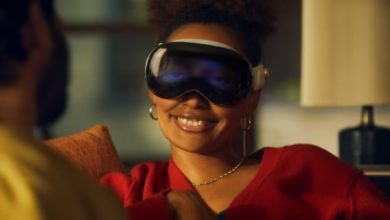
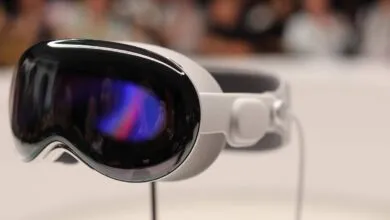
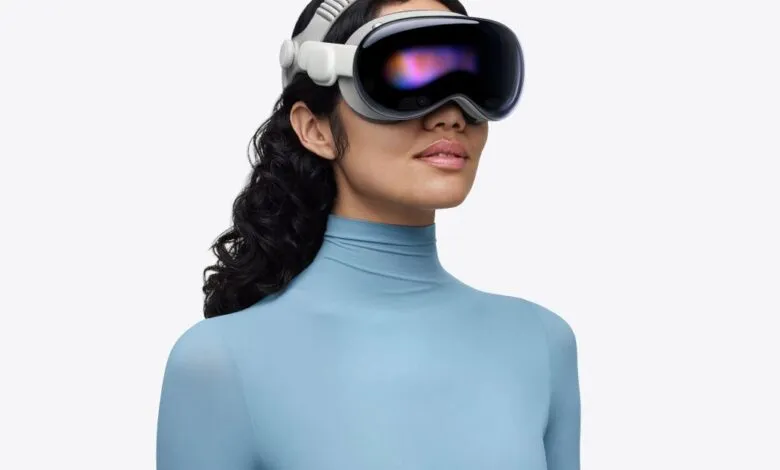
Apple has officially shelved the Vision Pro, marking the end of a once-promising product line following the disappointing reception of its M5-powered refresh. According to a new report from MacRumors, the company has decided to cease further development of the headset, signaling a clear retreat from its ambitions in the mixed reality space.
The decision comes after the M5 Vision Pro failed to generate meaningful consumer or developer interest. Despite incremental hardware upgrades, the device struggled to overcome the same core issues that plagued its predecessor: a steep $3,499 price tag, limited app ecosystem, and a bulky form factor that deterred widespread adoption. Sales figures reportedly fell far short of internal targets, prompting Apple to reassess the product’s future.
Internal sources indicate that Apple had originally hoped the M5 chip would deliver enough performance gains and efficiency improvements to justify a second-generation model. However, early reviews and market feedback painted a grim picture. Developers remained hesitant to invest in visionOS, citing low user numbers and uncertain returns. Without a robust library of compelling applications, the Vision Pro never evolved beyond a niche curiosity.
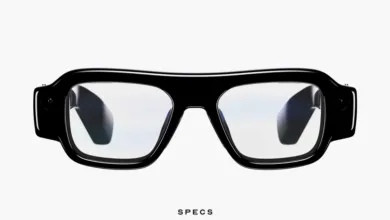
Apple is now redirecting resources toward other wearable technologies and augmented reality initiatives that do not require a headset. The company is believed to be exploring lighter, more affordable smart glasses that could integrate seamlessly with the iPhone. This strategic pivot mirrors broader industry trends, as competitors like Meta and Samsung have also scaled back their high-end headset ambitions in favor of more accessible form factors.
For early adopters and developers who bet on the Vision Pro ecosystem, the news is a sobering reminder of the risks inherent in cutting-edge hardware. Apple has not announced any formal end-of-life support, but the lack of future updates will likely accelerate the platform’s decline. The Vision Pro’s legacy may ultimately be that of a technological marvel that arrived too soon, priced too high, and failed to find its audience.
(Source: Google News)